.png)

By Robin Simon, President, Harpoon Capital · About · LinkedIn · Author, The Book on DSCR Loans (Available on Amazon)

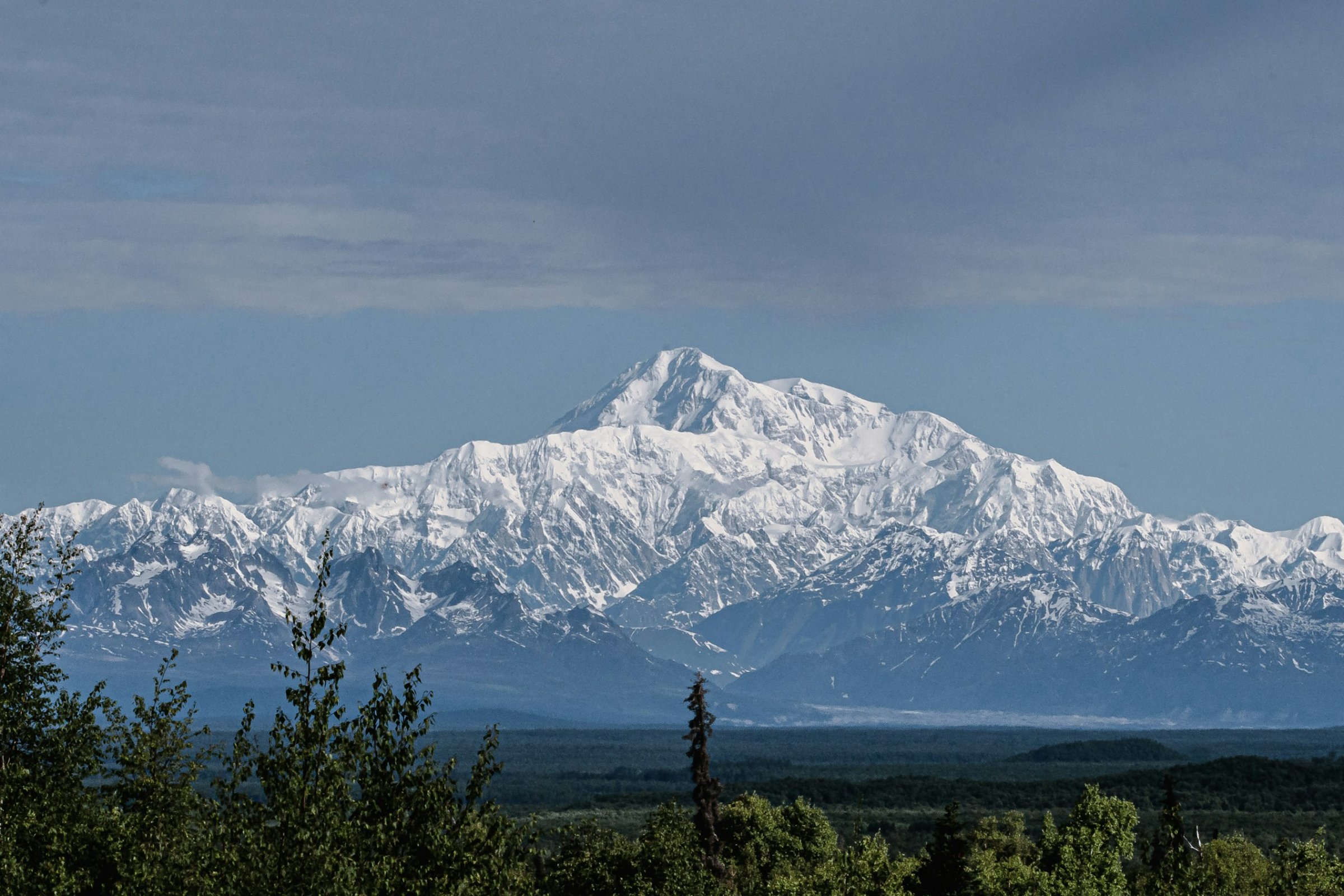
The best Alaska markets for real estate investors in 2027 offer entry points from about $315,000 in Fairbanks and strong short-term rental potential, led by $42,244 in average annual STR revenue in Juneau and an AirDNA score of 90 in Fairbanks. Alaska is unlike any other state on an investor's map, running from the military and university city of Fairbanks and the state's largest city in Anchorage to the capital in Juneau, the fast-growing Mat-Su Valley around Wasilla, the island town of Sitka and the cruise and fishing port of Seward on the Kenai Peninsula. Median sale prices run up to about $550,000 in Juneau (Redfin, 2026), and BiggerPockets puts rent-to-price ratios at 0.49% a month in Fairbanks and 0.38% in Anchorage, with rents near $1,460 in both. Investors buying here typically finance with Alaska DSCR loans, which are qualified primarily based on the property rather than the borrower's personal income, and the military housing allowances behind much of the rental demand give the “DSCR Ratio” a steadier footing than the prices alone suggest.
This breakdown uses market data collected as of October 2026, the most current snapshot available heading into next year's buying season. If you're evaluating a purchase in the final months of 2026, keep in mind that your first full year of rental income, appreciation, or short-term rental revenue lands in 2027 regardless of when you close. A deal you underwrite today is already a 2027 investing decision, just one made with the freshest data available right now.
Alaska has no state sales tax and no statewide lodging tax, so every tax on a short-term stay is local, and the state's only requirement is a general Alaska Business License (BNBCalc). The local rules vary a great deal: Anchorage charges a 12% room tax, Juneau a combined 14% (5% sales tax plus a 9% hotel-room tax) and the City of Fairbanks an 8% bed tax, while Sitka requires new STR permits to go to owners who make the property their primary residence (at least 180 days a year) and Seward requires a permit, an inspection and commercial insurance. In practice, i.e. for an investor buying a nightly rental, the rules at a specific address typically matter more than the market averages below.
Redfin's “Compete Scores” run from 89 in Anchorage (“most competitive”) down to 77 in Fairbanks and 73 in Wasilla (“very competitive”), and Anchorage homes are selling in a median of just 9 days, so investors in the larger markets should generally be ready to move quickly. Alaska's STR market is also highly seasonal, with long summer days, cruise ships and fishing driving most of the revenue, and winter aurora tourism adding a second, smaller season in Fairbanks.
Below, we break down six Alaska markets worth watching, using current data from Zillow, Redfin, BiggerPockets, and AirDNA.
Note: Home price appreciation and rent-growth figures below come from Redfin's median sale price data, Zillow's Home Value Index and BiggerPockets' Market Finder, which use different methodologies and can vary from one another, so treat them as directional. Juneau, Wasilla, Sitka and Seward do not have BiggerPockets pages of their own, so Zillow's figures (as of August 2026) are used for them. Several of Redfin's Alaska pages show figures that look unreliable (e.g. a 79.7% jump in Fairbanks's price per square foot and 0% of homes sold over list in Fairbanks), so those figures are left out, and Sitka's and Seward's Redfin pages rest on very few sales. Redfin's migration table for Wasilla repeats Anchorage's and is left out. AirDNA's Anchorage figures cover its full market, which stretches north to Talkeetna, while Wasilla sits within that market and Fairbanks, Juneau, Sitka and Seward are submarkets of its Alaska Area and Kenai Peninsula markets.
Golden Heart cash flow under the northern lights
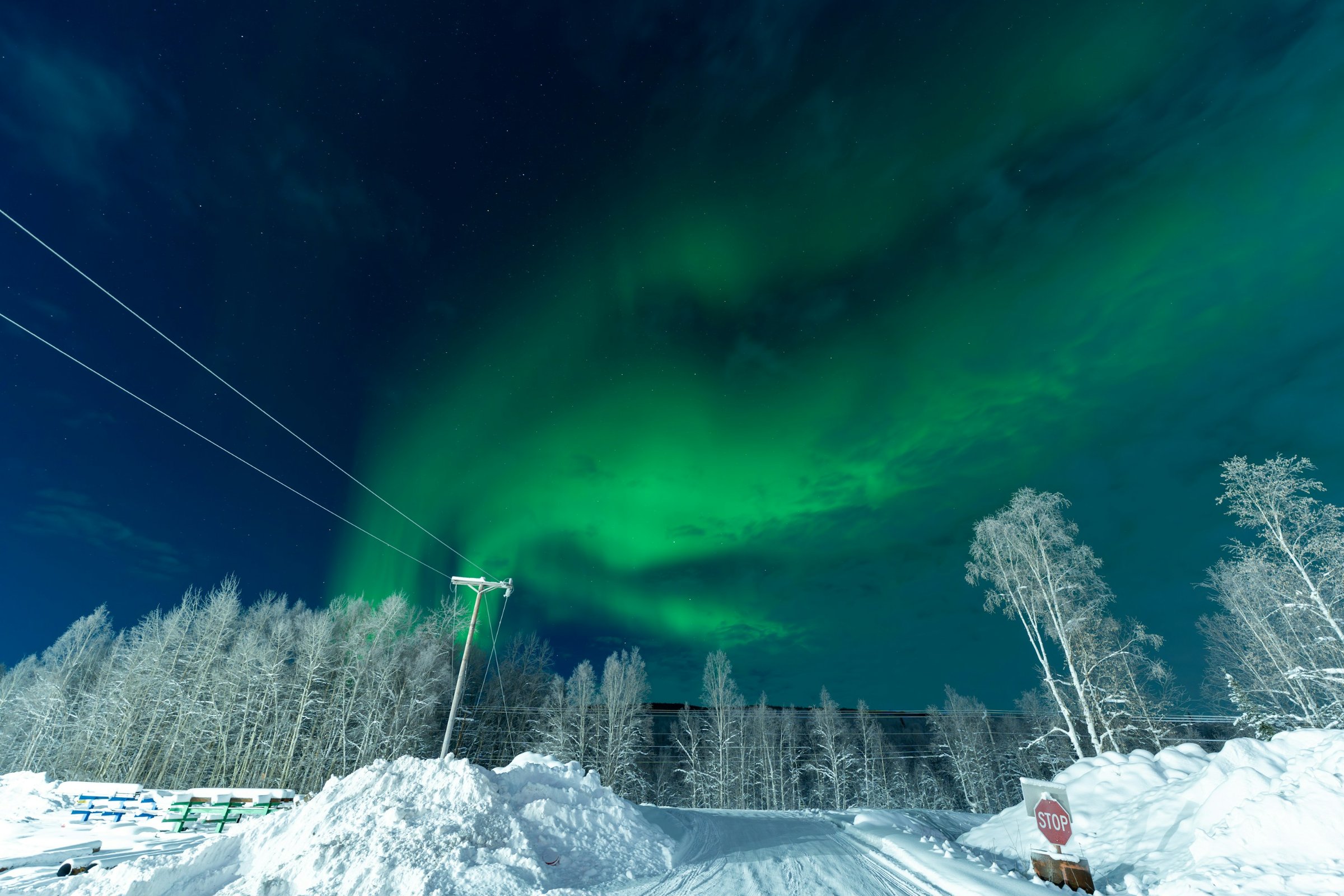
Fairbanks is the hub of Alaska's Interior, home to the University of Alaska Fairbanks and Fort Wainwright, with the best rent ratio in the article – and an STR market that earns in both summer and winter, when the aurora visitors arrive! It is the cash-flow market on this list, with a tenant base that leans heavily on the military.
BiggerPockets points to government, healthcare and education, with Fort Wainwright and the University of Alaska Fairbanks among the major employers, and Eielson Air Force Base nearby adds to the military rental demand. However, the population is shrinking slightly, and First Street data on Redfin rates the flood risk as “moderate” (60% of properties), so flood insurance should be priced early. On the STR side, the City of Fairbanks charges an 8% bed tax and requires a city business license, and on April 13, 2026 the city council adopted Ordinance 6345 (6–0), which requires booking platforms to collect the bed tax for hosts. The Fairbanks North Star Borough charges its own 8% room tax outside city limits, but it exempts operators inside the city, so the two do not stack.
The Fairbanks submarket posts an AirDNA score of 90/100, the highest in the article, with Rental Demand (87) and Seasonality (86) leading, Investability (74) next, and Revenue Growth (68) and Regulation (66) the “soft spots.” Annual revenue per listing averages $35,273 (up 2.8% year-over-year), with an average daily rate of $175.56 (down 1.5%) and occupancy of 62% (up 5.5%). Total active listings sit at 742, down 8.5%, and homes built for aurora viewing carry the top end, such as a star-shaped house with a hot tub ($121K a year at 79% occupancy).
Financing note: Harpoon Capital offers industry leading DSCR Loans for properties in Fairbanks and all throughout the market area. Check out our full DSCR Loans Program here, or if you want a quote on what terms look like today, fill out this two-minute form!
Sources: Redfin Housing Market↗ · BiggerPockets Market Finder↗ · Fairbanks Daily News-Miner: Bed Tax↗ · AirDNA Market Data↗
Investor Takeaway: Fairbanks offers the best rent ratio, the lowest prices and the highest STR score in Alaska, with demand in both summer and aurora season. Investors should generally buy for the long-term rent near the base or campus, check the flood map for each address, and treat aurora-season STR income as a second season rather than the base case.
Big-city bidding at the edge of the wilderness
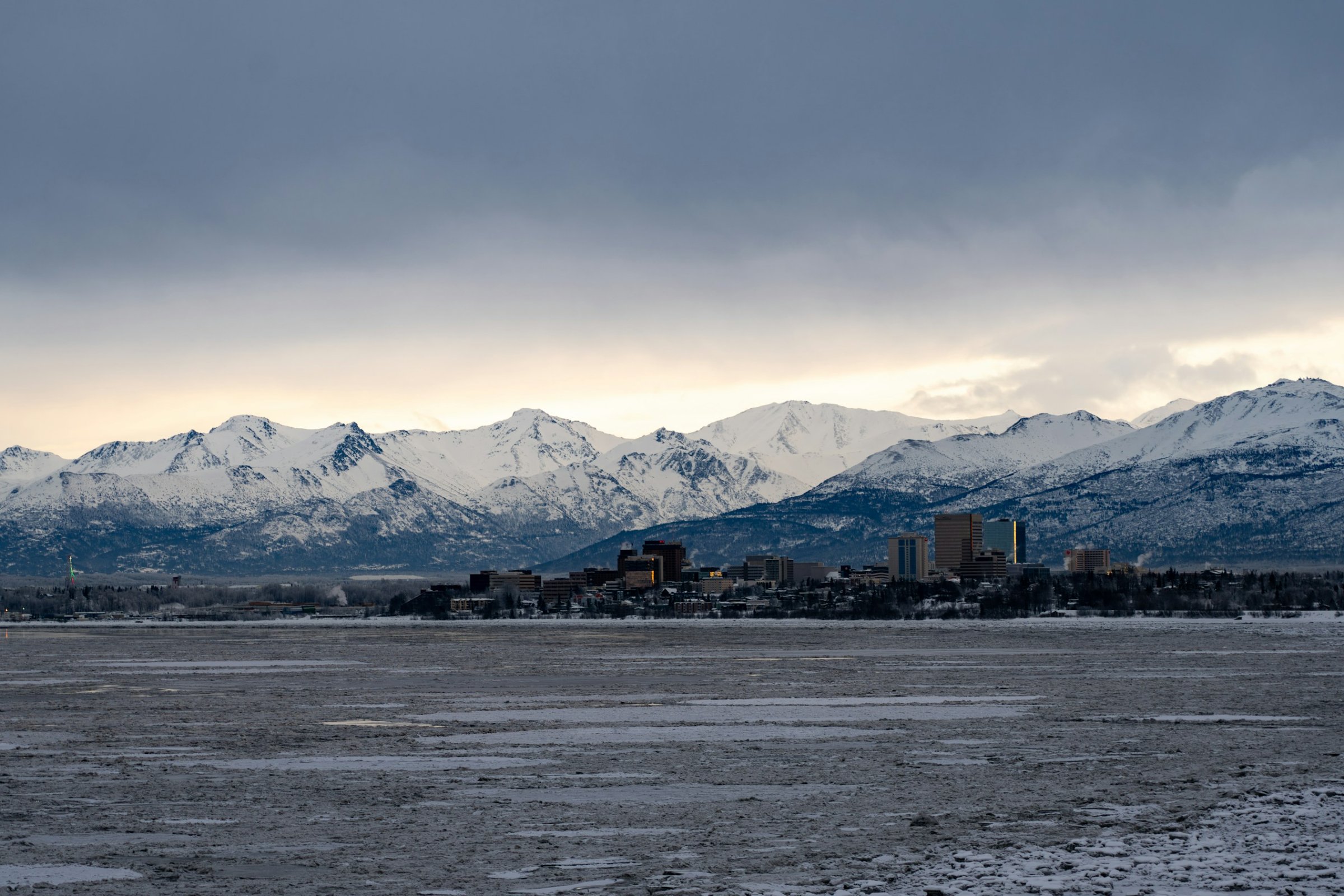
Anchorage is home to about 40% of the state's population, with Joint Base Elmendorf-Richardson, the state's busiest airport and its oil, healthcare and transportation employers, the most competitive sales market in the article and the deepest STR market. It is the market on this list where homes move fastest, and buyers compete hard for what comes up.
BiggerPockets points to oil and gas, transportation, the military and tourism, and Redfin search data (October to December 2025) shows buyers from Seattle, San Francisco and Washington, D.C. looking at Anchorage most, although 44% of local buyers searched to leave the area, mostly toward Phoenix, Las Vegas and Portland. On the STR side, the Municipality of Anchorage charges a 12% room tax on stays under 30 days and requires operators to register with the Treasury before renting, although hosts who rent only through a registered platform, which collects and remits the tax for them, do not need a separate certificate.
The Anchorage market posts an AirDNA score of 77/100, with Revenue Growth (90) and Rental Demand (84) leading, Investability (72) next, and Regulation (62) and Seasonality (54) the “soft spots.” Annual revenue per listing averages $35,478 (up 6.1% year-over-year), with an average daily rate of $206.87 (up 6.0%) and occupancy of 61% (up 0.3%). Total active listings sit at 3,830, up 4.0%, the deepest STR market in the article, and the Talkeetna (score 84, $32K a year at 55% occupancy) and Oceanview (79, $35K at 68%) submarkets lead the area. Note that this market stretches north to Talkeetna and Denali, so the figures describe the region rather than the city alone.
Financing note: Harpoon Capital offers industry leading DSCR Loans for properties in Anchorage and all throughout the market area. Check out our full DSCR Loans Program here, or if you want a quote on what terms look like today, fill out this two-minute form!
Sources: Redfin Housing Market↗ · BiggerPockets Market Finder↗ · Municipality of Anchorage Room Tax↗ · AirDNA Market Data↗
Investor Takeaway: Anchorage offers the most competitive sales market and the deepest STR market in Alaska, on a stable military and energy job base. Investors should generally be ready to offer at or above list within days of a listing, buy for the long-term rent, and register any STR with the city unless a platform handles the room tax.
Capital, cruise ships and climbing prices

Juneau is the state capital, reachable only by air or sea, with a tenant base built on state government and an STR market that peaks when the cruise ships arrive each summer. It has the highest prices on this list and the fastest price growth of the five core markets, in a town where buildable land is scarce.
The case for Juneau rests on state government, which keeps the tenant base steady through the year, and on summer tourism from the cruise lines and the Mendenhall Glacier. However, First Street data on Redfin rates the flood risk as “extreme,” with about 20% of properties exposed. On the STR side, the City and Borough of Juneau requires every STR unit to be registered (no fee, but $100 a day for a live listing without a registration number) and an Alaska Business License, and stays carry a 5% sales tax plus a 9% hotel-room tax, i.e. 14% on the room rate, which booking platforms have collected since July 1, 2025.
The Juneau submarket posts an AirDNA score of 62/100, with Revenue Growth (94) and Rental Demand (78) leading, Investability (57) and Regulation (57) next, and Seasonality (46) the “soft spot,” i.e. a summer-heavy market. Annual revenue per listing averages $42,244 (up 10.8% year-over-year), with an average daily rate of $268.53 (up 6.1%) and occupancy of 62% (up 2.8%). Total active listings sit at 379, down 2.8%, and large group homes carry the top end, such as a seven-bedroom gathering home ($113K a year at 60% occupancy).
Financing note: Harpoon Capital offers industry leading DSCR Loans for properties in Juneau and all throughout the market area. Check out our full DSCR Loans Program here, or if you want a quote on what terms look like today, fill out this two-minute form!
Sources: Zillow Home Value Index↗ · Redfin Housing Market↗ · City and Borough of Juneau STR Registration↗ · AirDNA Market Data↗
Investor Takeaway: Juneau offers fast price growth and some of the strongest STR revenue growth in Alaska, in a supply-constrained capital city. Investors should generally register any STR before listing it, underwrite on a summer-weighted season, and check the flood map for each address.
Thinking About One of These Markets?
Get a same-day DSCR Loan quote for a specific deal, or browse the full Harpoon Capital DSCR Loan Program to see rates, LTV, and qualification details before you keep reading.
Mat-Su momentum on the lakes
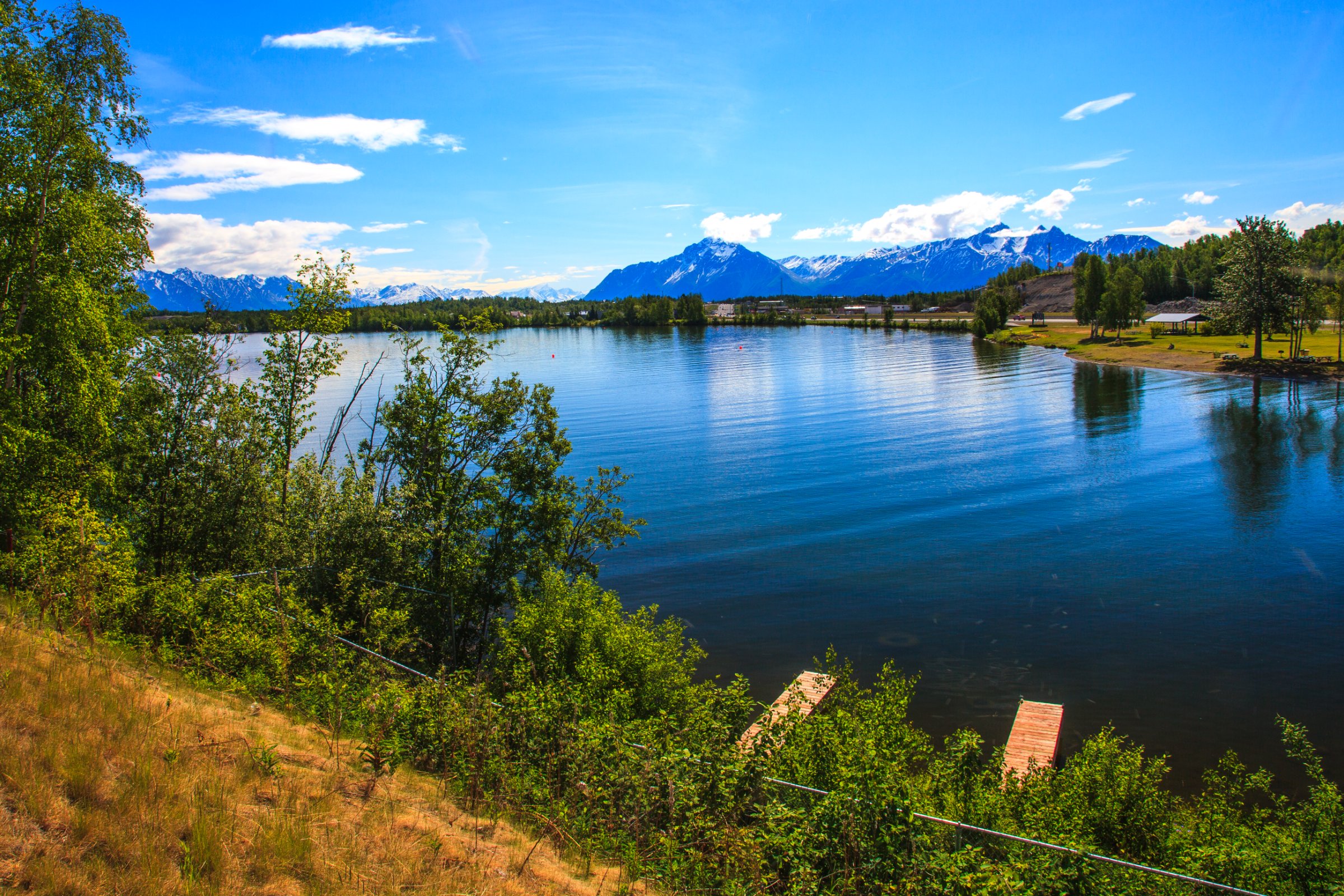
Photo: Murray Foubister, CC BY-SA 2.0 (cropped)
Wasilla is the largest city in the Matanuska-Susitna Borough, about 45 miles north of Anchorage, in one of the fastest-growing parts of the state, with dozens of lakes, the Iditarod headquarters and the road north to Denali. It has the fastest STR revenue growth on this list, and Redfin shows prices cooling slightly over the past year.
The case for Wasilla rests on growth, with families and commuters moving out from Anchorage for more land and lower prices, and on summer visitors heading for the lakes and Denali. However, Redfin's median sale price slipped 2.8% over the year, so buyers may find more room to negotiate, and First Street data on Redfin rates the flood risk as “moderate” (2% of properties). On the STR side, the City of Wasilla requires a city business license and an STR permit from the Planning Department, with the permit number shown in every listing, and Airbnb began collecting the city's 2.5% sales tax (capped at $12.50 per transaction) on September 1, 2026, with Vrbo and Expedia following on October 1, while the Matanuska-Susitna Borough charges a separate 5% bed tax.
The Wasilla submarket posts an AirDNA score of 77/100, with Revenue Growth (94) and Rental Demand (83) leading, Investability (64) and Regulation (61) next, and Seasonality (56) the “soft spot.” Annual revenue per listing averages $35,814 (up 13.7% year-over-year), the fastest revenue growth on the list, with an average daily rate of $214.45 (up 12.5%) and occupancy of 59% (up 0.8%). Total active listings sit at 381, up 4.7%, and lakefront properties carry the top end, such as a lakefront micro-resort of seven cottages ($448K a year), which is an outlier rather than a guide to a typical rental.
Financing note: Harpoon Capital offers industry leading DSCR Loans for properties in Wasilla and all throughout the market area. Check out our full DSCR Loans Program here, or if you want a quote on what terms look like today, fill out this two-minute form!
Sources: Zillow Home Value Index↗ · Redfin Housing Market↗ · City of Wasilla STR Program↗ · AirDNA Market Data↗
Investor Takeaway: Wasilla offers the fastest STR revenue growth in Alaska and room to negotiate as sale prices dip, within commuting distance of Anchorage. Investors should generally use the softer sales market to negotiate, focus on lakefront or amenity-rich homes for STRs, and budget for both the 2.5% city sales tax and the 5% borough bed tax.
Island charm with owner-first rules
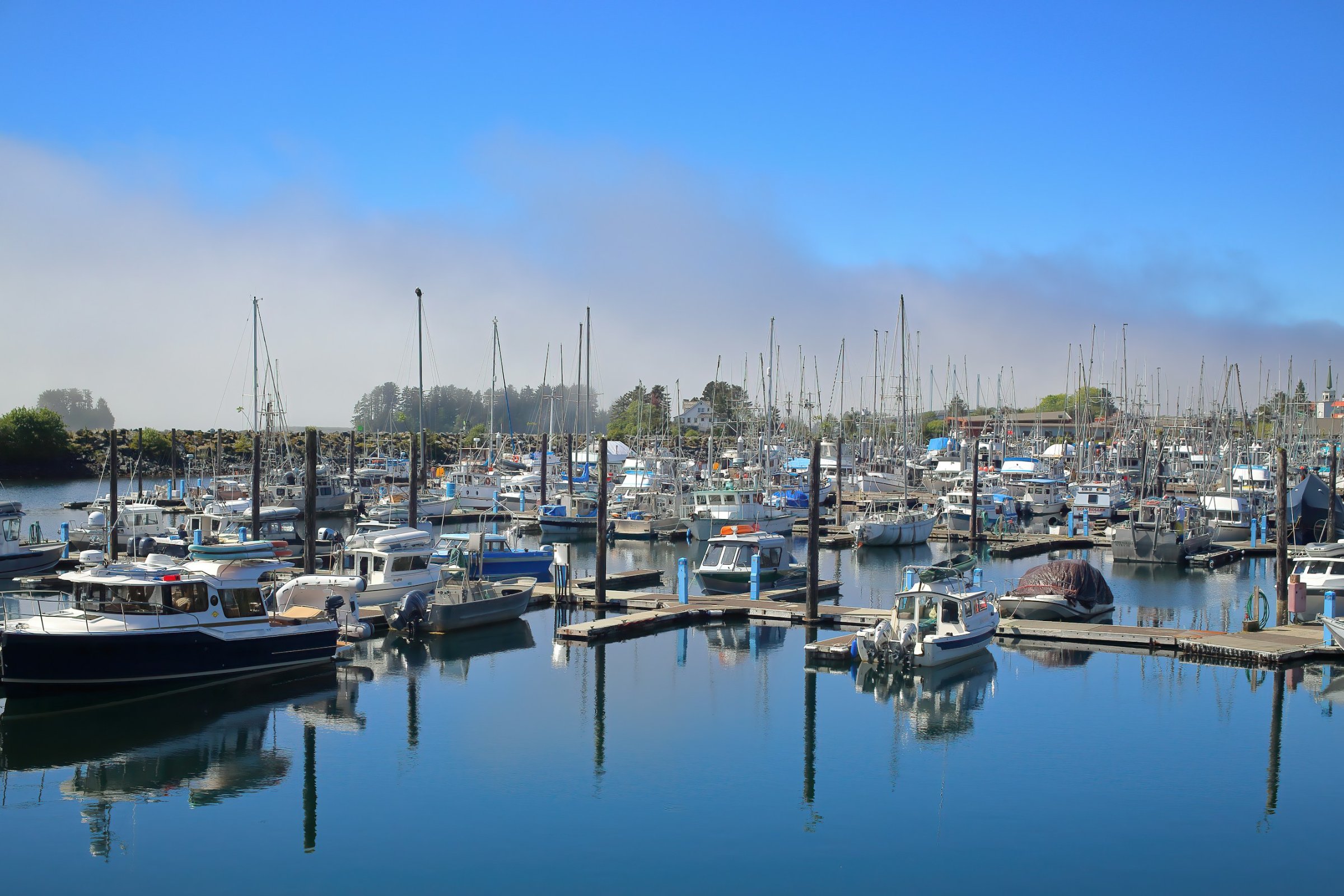
Sitka sits on Baranof Island in Southeast Alaska, facing the Pacific, with Russian and Tlingit history, a busy fishing fleet and a steady stream of cruise and fishing visitors, along with high STR revenue and the strictest STR rules on this list. It is the smallest market in the article, and the one where the rules most shape the strategy.
The case for Sitka rests on tourism and fishing, with cruise ships, sport-fishing lodges and the town's history drawing visitors through the summer. However, First Street data on Redfin rates the flood risk as “major” (6% of properties). On the STR side, Sitka's Assembly adopted rules in 2022 that require a conditional use permit in residential zones and, for permits approved on or after September 14, 2022, require the property to be the owner's primary residence (at least 180 days a year, under a sworn affidavit), with permits void on sale or transfer, so for an investor who will not live there, Sitka is a long-term rental market. Stays carry a 6% lodging tax plus sales tax of 5% from October to March and 6% from April to September.
The Sitka submarket posts an AirDNA score of 43/100, the lowest in the article, with Rental Demand (67) leading, Investability (58), Revenue Growth (58) and Regulation (57) next, and Seasonality (46) the “soft spot.” Annual revenue per listing averages $43,315 (down 4.5% year-over-year), the highest on the list, with an average daily rate of $298.37 (down 1.3%) and occupancy of 58% (down 5.6%). Total active listings sit at only 113, down 1.7%, and well-finished homes carry the top end, such as a three-bedroom luxury home ($132K a year at 51% occupancy).
Financing note: Harpoon Capital offers industry leading DSCR Loans for properties in Sitka and all throughout the market area. Check out our full DSCR Loans Program here, or if you want a quote on what terms look like today, fill out this two-minute form!
Sources: Zillow Home Value Index↗ · Redfin Housing Market↗ · KCAW: Sitka STR Rules↗ · AirDNA Market Data↗
Investor Takeaway: Sitka offers the highest STR revenue per listing in Alaska, but new STR permits are limited to owner-occupants and lapse on sale. Investors who will not live there should generally buy for the long-term rent, and anyone buying an existing STR should assume the permit will not transfer.
Fjords, fishing and full summers
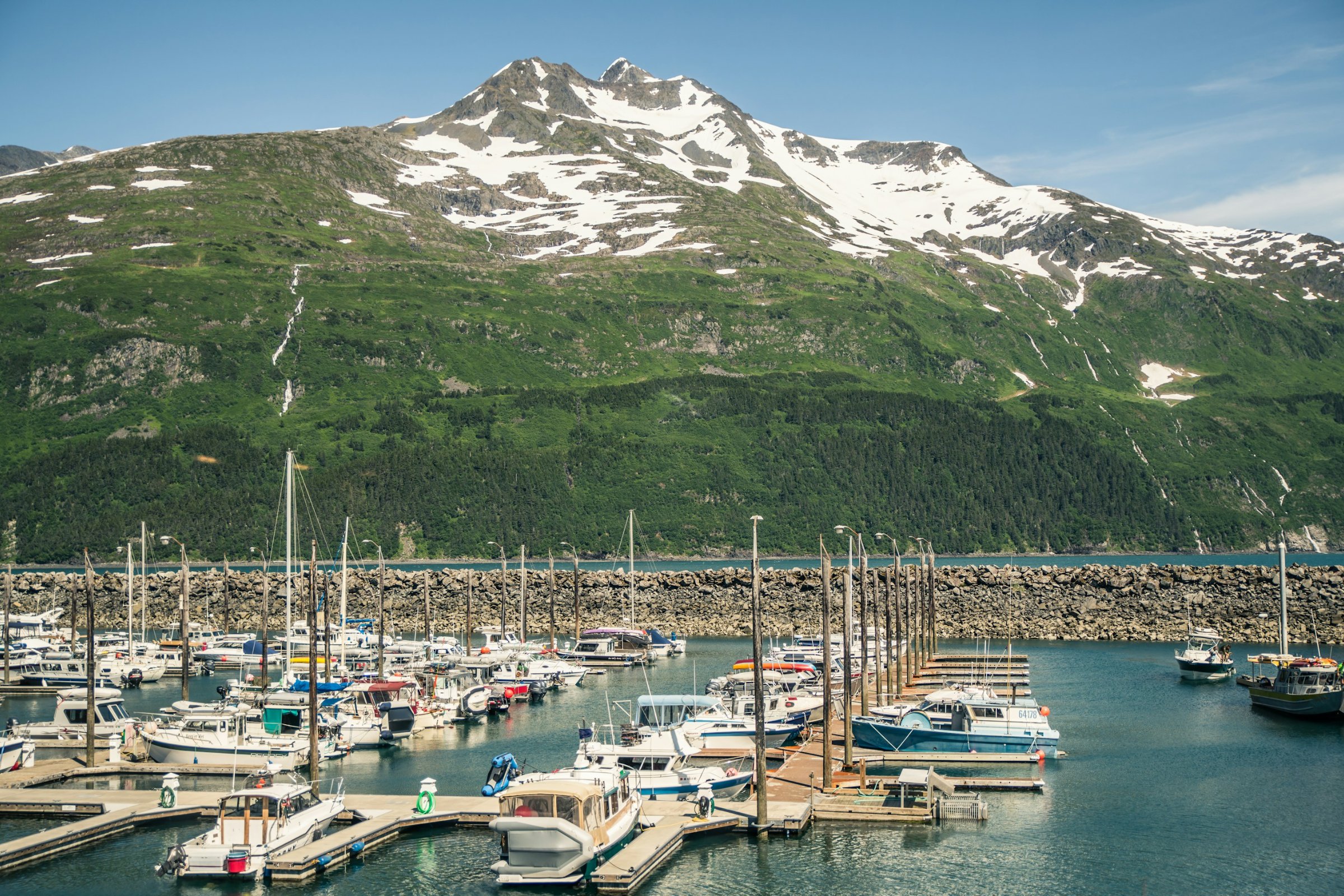
Seward sits at the head of Resurrection Bay on the Kenai Peninsula, the gateway to Kenai Fjords National Park and the end of the Alaska Railroad, with the highest nightly rates in the article and an STR market that fills up in summer. It is the classic Alaska vacation market – and its permit rules are clear enough for an investor to plan around.
The case for Seward rests on summer tourism, with cruise ships, the railroad, Kenai Fjords tours and the Fourth of July Mount Marathon race filling the town from May to September. However, First Street data on Redfin rates the flood risk as “major” (9% of properties). On the STR side, the City of Seward requires a business license ($30), an STR permit ($50 per unit), a life safety inspection ($45 per property) and commercial insurance (homeowner's insurance does not qualify), with the permit number shown in every listing. Stays carry a 4% bed tax plus 7% sales tax (4% city and 3% Kenai Peninsula Borough), applied per room, per night, on the first $500.
The Seward submarket posts an AirDNA score of 76/100, with Rental Demand (95) and Revenue Growth (80) leading, Investability (71) and Regulation (66) next, and Seasonality (44) the “soft spot,” i.e. a summer-only market. Annual revenue per listing averages $40,885 (up 5.3% year-over-year), with an average daily rate of $321.85 (up 3.7%), the highest on the list, and occupancy of 66% (up 3.0%), also the highest. Total active listings sit at 751, up 8.7%, and well-located homes near the harbor carry the top end, such as a three-bedroom harbor home ($164K a year at 91% occupancy).
Financing note: Seward deals often qualify on TTM actuals or STR revenue projections given the seasonal revenue base, and Harpoon Capital offers industry leading DSCR Loans for properties throughout the market area. Check out our full DSCR Loans Program here, or if you want a quote on what terms look like today, fill out this two-minute form!
Sources: Zillow Home Value Index↗ · Redfin Housing Market↗ · City of Seward STR Program↗ · AirDNA Market Data↗
Investor Takeaway: Seward offers the highest nightly rates and occupancy in Alaska, with clear permit rules and a short but strong summer season. Investors should generally underwrite on trailing twelve-month actuals that reflect the off-season, budget for commercial insurance, and check the flood map before buying near the water.
| MARKET | AIRDNA SCORE |
ANNUAL REVENUE |
AVG. DAILY RATE |
OCCUPANCY | YOY LISTING GROWTH |
|---|---|---|---|---|---|
| Fairbanks | 90 | $35,273 (+2.8%) |
$175.56 (-1.5%) |
62% (+5.5%) | -8.5% (742 listings) |
| Anchorage | 77 | $35,478 (+6.1%) |
$206.87 (+6.0%) |
61% (+0.3%) | +4.0% (3,830 listings) |
| Wasilla | 77 | $35,814 (+13.7%) |
$214.45 (+12.5%) |
59% (+0.8%) | +4.7% (381 listings) |
| Seward | 76 | $40,885 (+5.3%) |
$321.85 (+3.7%) |
66% (+3.0%) | +8.7% (751 listings) |
| Juneau | 62 | $42,244 (+10.8%) |
$268.53 (+6.1%) |
62% (+2.8%) | -2.8% (379 listings) |
| Sitka | 43 | $43,315 (-4.5%) |
$298.37 (-1.3%) |
58% (-5.6%) | -1.7% (113 listings) |
Source: AirDNA, current as of 2026. Scores and figures reflect each market or submarket as defined by AirDNA and may not correspond 1:1 with city or county boundaries. As of October 2026
A few patterns stand out. The coastal tourism towns, Sitka, Juneau and Seward, earn the most per listing (above $40,000 a year) on the highest nightly rates, but their Seasonality scores sit in the 40s, i.e. most of the year's income lands in a few summer months. Fairbanks scores highest of all on more modest rates, because aurora season gives it a second, winter peak. Additionally, revenue grew in five of the six markets, led by Wasilla (13.7%) and Juneau (10.8%), with Sitka the only decline.
Alaska's real estate landscape offers a strategy for nearly every type of investor:
Market-level data is a starting point, not a substitute for underwriting the specific property, neighborhood and rental strategy in front of you. Alaska leaves every lodging tax and STR rule to its cities and boroughs, which range from Anchorage's simple registration to Seward's permit and inspection and Sitka's owner-occupancy rule, so investors should confirm what is allowed at a specific address before they close and underwrite STRs on a full year that includes the long off-season.
If you are ready to invest in one of these markets, start with our Alaska DSCR loans page.
Sources: Redfin housing market data, BiggerPockets Market Finder, Zillow Home Value Index, AirDNA market and submarket data (airdna.co), BNBCalc Alaska STR guide, Municipality of Anchorage, City and Borough of Juneau, City of Wasilla, City of Seward, Fairbanks Daily News-Miner and KCAW. Data collected as of October 2026, ahead of the 2027 investing season.
At the state level, only a general Alaska Business License. Alaska has no state sales tax or lodging tax, so every tax on a short-term stay is local: Anchorage charges a 12% room tax, Juneau 14% on the room rate, and the City of Fairbanks an 8% bed tax. Many cities add their own registration or permit, e.g. Juneau requires a free STR registration, Wasilla and Seward require an STR permit, and Sitka requires a conditional use permit in residential zones and limits new STRs to owner-occupants.
No. Out-of-state and first-time investors can buy investment property in Alaska without any license. A DSCR loan qualifies you primarily based on the property itself rather than your personal income or professional credentials, which is part of why it's such a common financing tool for out-of-state buyers.
A DSCR (Debt Service Coverage Ratio) loan qualifies a property primarily based on the property (its rent, value and location) relative to its mortgage payment, rather than the borrower's personal income or tax returns. If the property's projected or actual rent covers the mortgage payment (a DSCR of 1.00x or higher), it's generally easier to qualify, and Harpoon Capital also offers options for deals below 1.00x.
Very, in most markets. AirDNA's Seasonality scores for Juneau, Sitka and Seward sit in the 40s, meaning most of the year's revenue arrives between late spring and early fall, when the cruise ships, anglers and park visitors arrive. Fairbanks is the exception, with a second season in winter for aurora viewing, so investors should generally underwrite on trailing twelve-month actuals rather than a peak summer month.
Harpoon Capital's DSCR loan program allows as little as 15% down on qualifying purchases, up to 85% LTV, with cash-out refinances available up to 80% LTV. Exact terms depend on the property, credit profile, and DSCR ratio. Fill out our DSCR Loan Application to see specific numbers for your deal.
Ready to Run the Numbers on an Alaska Deal?
Whether you're eyeing Fairbanks's rent ratio or summer stays in Seward, get a same-day rate and terms with our two-minute DSCR quote form, or explore the full Alaska DSCR Loans Program to see how we qualify the property, not just the borrower.
This article is for informational purposes only and does not constitute investment, legal, or financial advice. Harpoon Capital encourages investors to conduct independent due diligence before making any real estate investment decision.