.png)

By Robin Simon, President, Harpoon Capital · About · LinkedIn · Author, The Book on DSCR Loans (Available on Amazon)

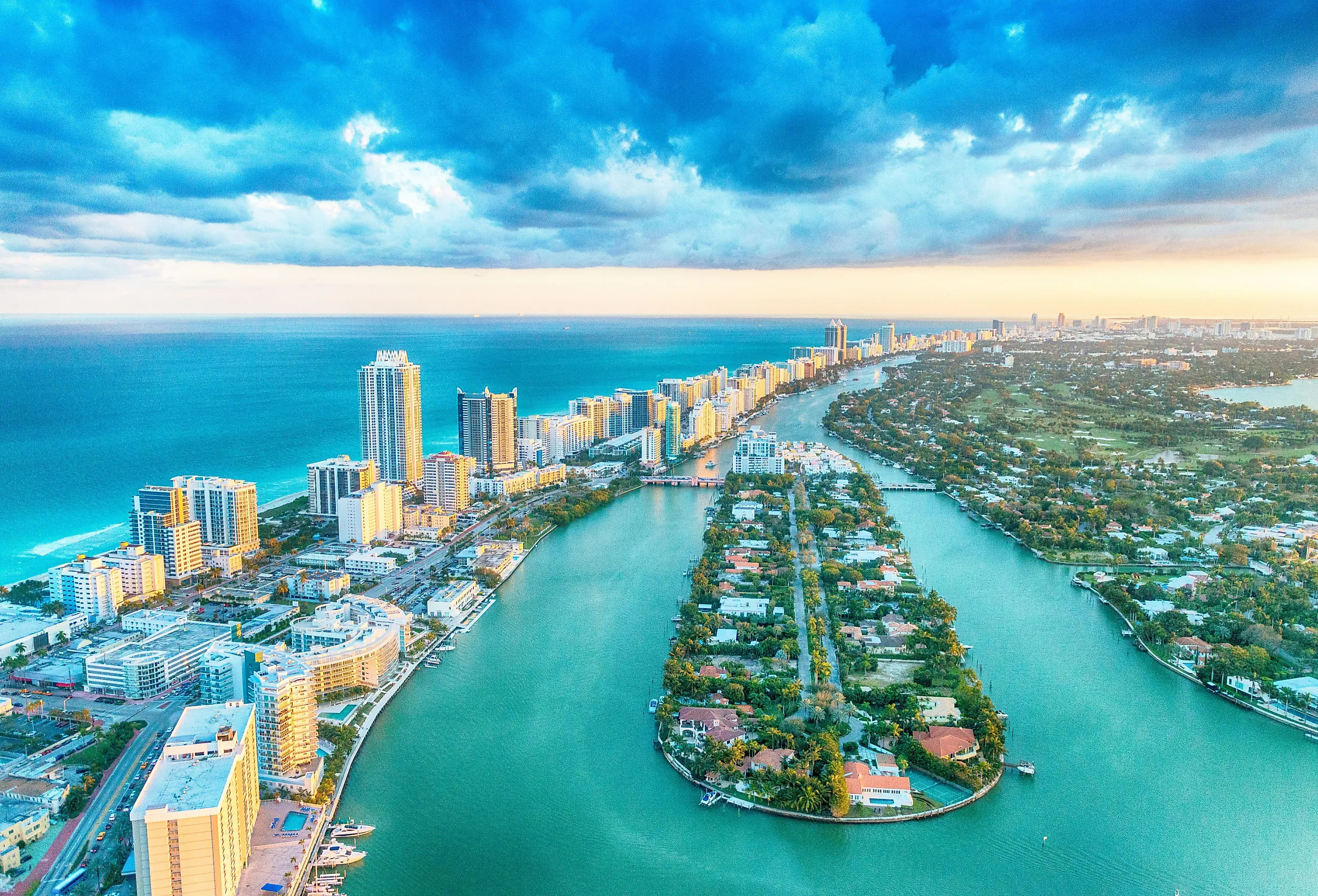
Florida offers real estate investors more short-term rental exposure than almost any other state, backed by a genuinely unusual legal structure: a Panhandle beach economy in Panama City Beach, a logistics and finance hub in Jacksonville, a fast-growing but currently softening metro in Tampa, a Space Coast market in Cocoa Beach, a Disney-adjacent corridor in Kissimmee, and the tightly regulated island chain of the Florida Keys. Home prices across the state have pulled back slightly overall, with Florida's statewide average down 2.8% year-over-year as of mid-2026, so most of the markets below are transacting below where they were a year or two ago.
This breakdown uses market data collected as of September 2026, the most current snapshot available heading into next year's buying season. If you're evaluating a purchase in the final months of 2026, keep in mind that your first full year of rental income, appreciation, or short-term rental revenue lands in 2027 regardless of when you close. A deal you underwrite today is already a 2027 investing decision, just one made with the freshest data available right now.
Florida's regulatory framework is genuinely different from every other state in this series: state law (Fla. Stat. §509.032(7)(b)) prevents cities and counties from banning vacation rentals or regulating how long or how often you can rent, unless the local ordinance predates June 1, 2011, in which case it's grandfathered and stays enforceable. Almost everything about Florida STR regulation flows from that one exception: most of the state is genuinely permissive, while a handful of markets that regulated early, Key West chief among them, remain some of the most restrictive in the country.
Below, we break down six Florida markets worth watching, using current data from Zillow, Redfin, BiggerPockets, and AirDNA.
Note: Home price appreciation and rent-growth figures below come from Zillow's Home Value Index (ZHVI), Redfin's median sale price data, and BiggerPockets' Market Finder, which use different methodologies and can vary from one another. We've cited both where available so you can compare. BiggerPockets doesn't have a standalone Florida Keys page, so that section relies on Zillow and AirDNA plus direct research on individual Keys towns.
Quick Answer: Florida's Top 6 Markets
If you only read one section, read this one.
Gulf Coast STR revenue at a price pulled back from its peak
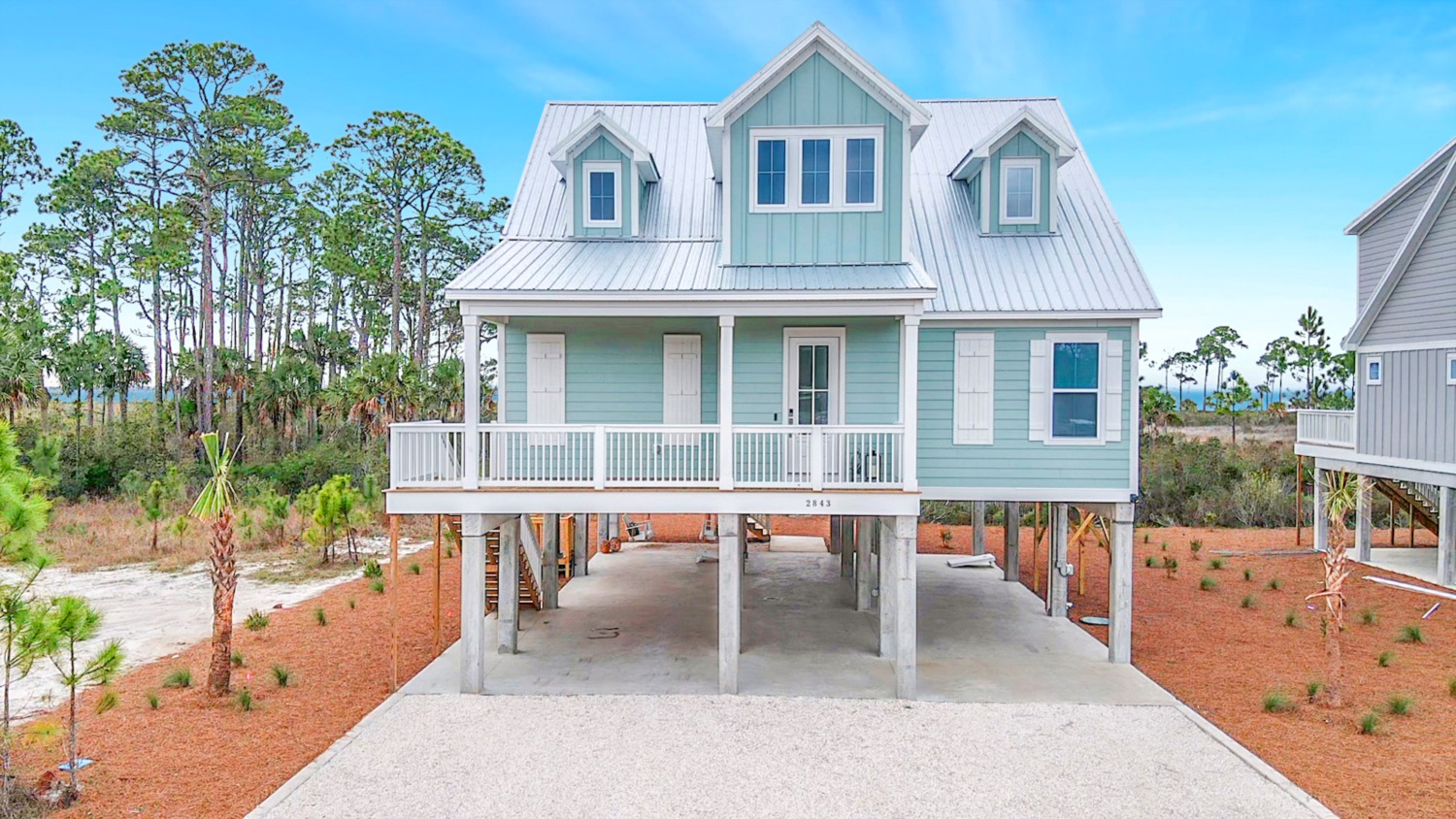
Panama City Beach is a well-established Gulf Coast vacation market, and the current pricing data suggests it's cooled meaningfully from where it stood a year or two ago.
Tourism anchors the local economy, backed by Gulf Coast Regional Medical Center on the healthcare side, and the metro has consistently ranked among Florida's more accessible beach markets on price. The BiggerPockets appreciation figure (11.69%) reflects the broader Panama City metro over the past year, which sits in some tension with Zillow's beach-specific figure showing a 4.0% pullback, a gap best explained by treating the beach itself as the softer submarket within a metro that's still grown overall.
Panama City Beach posts a submarket score of 74/100, with a strong Investability score of 83 and Rental Demand score of 81, held back by a weak Seasonality score of 44. Annual revenue per listing averages $50,072 (up 3.3% year-over-year), with an average daily rate of $287.56 (up 1.4%) and occupancy of 61% (up 1.7%). Total active listings sit at 4,069, essentially flat (-0.1%) over the past year.
Financing note: Harpoon Capital offers industry leading DSCR Loans for properties in Panama City Beach and all throughout the market area. Check out our full DSCR Loans Program here, or if you want a quote on what terms look like today, fill out this two-minute form!
Sources: Zillow Home Value Index · BiggerPockets Market Finder · AirDNA Market Data
Investor Takeaway: A 4% price pullback and 74-day time-to-pending on a market still generating $50,000 in average annual STR revenue is a combination that deserves real attention. This reads less like a market in trouble and more like one where sellers haven't fully adjusted to buyer expectations yet, which tends to favor patient, well-financed investors.
Florida's largest city by area, with one of the strongest AirDNA scores on this list
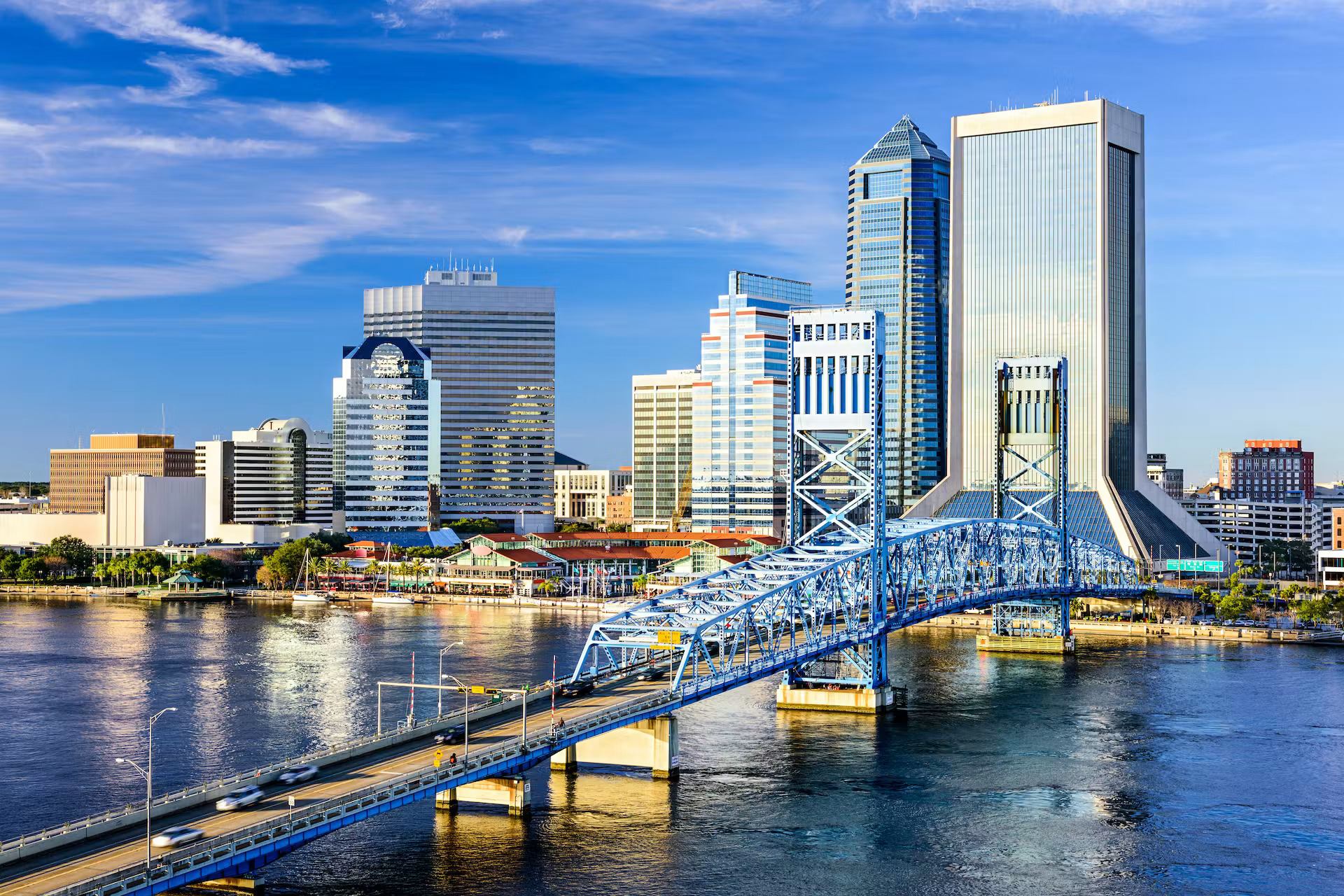
Jacksonville is the largest city by area in the contiguous United States, and its economy is diversified enough that it doesn't depend on any single industry the way most of the other markets in this article do.
Bank of America and Mayo Clinic anchor a job base spanning finance, healthcare, and logistics, supported by the city's deep-water port and transportation infrastructure. The STR submarket data reflects the same diversification: AirDNA's top Jacksonville submarkets include Downtown Jacksonville and San Marco at scores in the high 90s, alongside historic St. Augustine at a 94 score with $47,000 in average revenue, a notably strong submarket for anyone drawn to the broader Jacksonville numbers.
Jacksonville posts a strong AirDNA score of 90/100, with solid Investability (82) and Rental Demand (85) scores and an excellent Seasonality score of 83. Annual revenue per listing averages $46,143 (up 1.5% year-over-year), with an average daily rate of $236.02 (up 1.9%) and occupancy of 60% (down 0.7%). Total active listings sit at 9,714, up 2.4% over the past year.
Financing note: Harpoon Capital offers industry leading DSCR Loans for properties in Jacksonville and all throughout the market area. Check out our full DSCR Loans Program here, or if you want a quote on what terms look like today, fill out this two-minute form!
Sources: Zillow Home Value Index · BiggerPockets Market Finder · AirDNA Market Data
Investor Takeaway: Jacksonville doesn't lead this list in any single category, but it's strong across nearly all of them: appreciation, rent growth, and AirDNA score are all in the upper half of this article at once. The St. Augustine submarket specifically stands out for STR-focused buyers.
Thinking About One of These Markets?
Get a same-day DSCR Loan quote for a specific deal, or browse the full Harpoon Capital DSCR Loan Program to see rates, LTV, and qualification details before you keep reading.
A fast-growing job market where STR supply currently looks ahead of demand

Tampa has been called the fourth-hottest job market in the country, and BiggerPockets explicitly flags it as short-term-rental friendly. The current AirDNA data tells a more complicated story.
Growth here spans health tech, cybersecurity, supply chain management, and fintech, on top of a large existing population base and a below-national-average cost of living. BiggerPockets specifically lists Tampa as short-term-rental friendly, with a relatively high roughly 12% vacancy rate that the platform attributes partly to the sheer number of STRs already operating in the area. A market can be genuinely legal and welcoming for STR operators while still seeing softening performance if new supply arrives faster than demand can absorb it, and that appears to be exactly what's showing up in the numbers below.
Tampa posts an AirDNA score of 62/100, the second-lowest on this list, driven down by a weak Revenue Growth score of 40 despite decent Rental Demand (84) and Seasonality (82) scores. Annual revenue per listing averages $33,735, down a sharp 9.9% year-over-year, the steepest revenue decline of any market in this article. Average daily rate is $170.05 (down 0.2%), and occupancy has fallen to 60%, down 10.1% year-over-year, also the steepest occupancy decline in this article. Total active listings sit at 7,118, up 3.6% over the past year, new supply arriving even as existing performance metrics soften.
Financing note: Harpoon Capital offers industry leading DSCR Loans for properties in Tampa and all throughout the market area. Check out our full DSCR Loans Program here, or if you want a quote on what terms look like today, fill out this two-minute form!
Sources: Zillow Home Value Index · BiggerPockets Market Finder · AirDNA Market Data
Investor Takeaway: Tampa's long-term fundamentals, job growth, population growth, a friendly regulatory stance, are genuinely strong. Its short-term rental performance right now is the weakest in this article on both revenue and occupancy, and growing listing counts suggest that softening isn't over yet. This looks more like a long-term rental market than an STR one at the moment.
Space Coast aerospace jobs backing a genuinely strong STR market
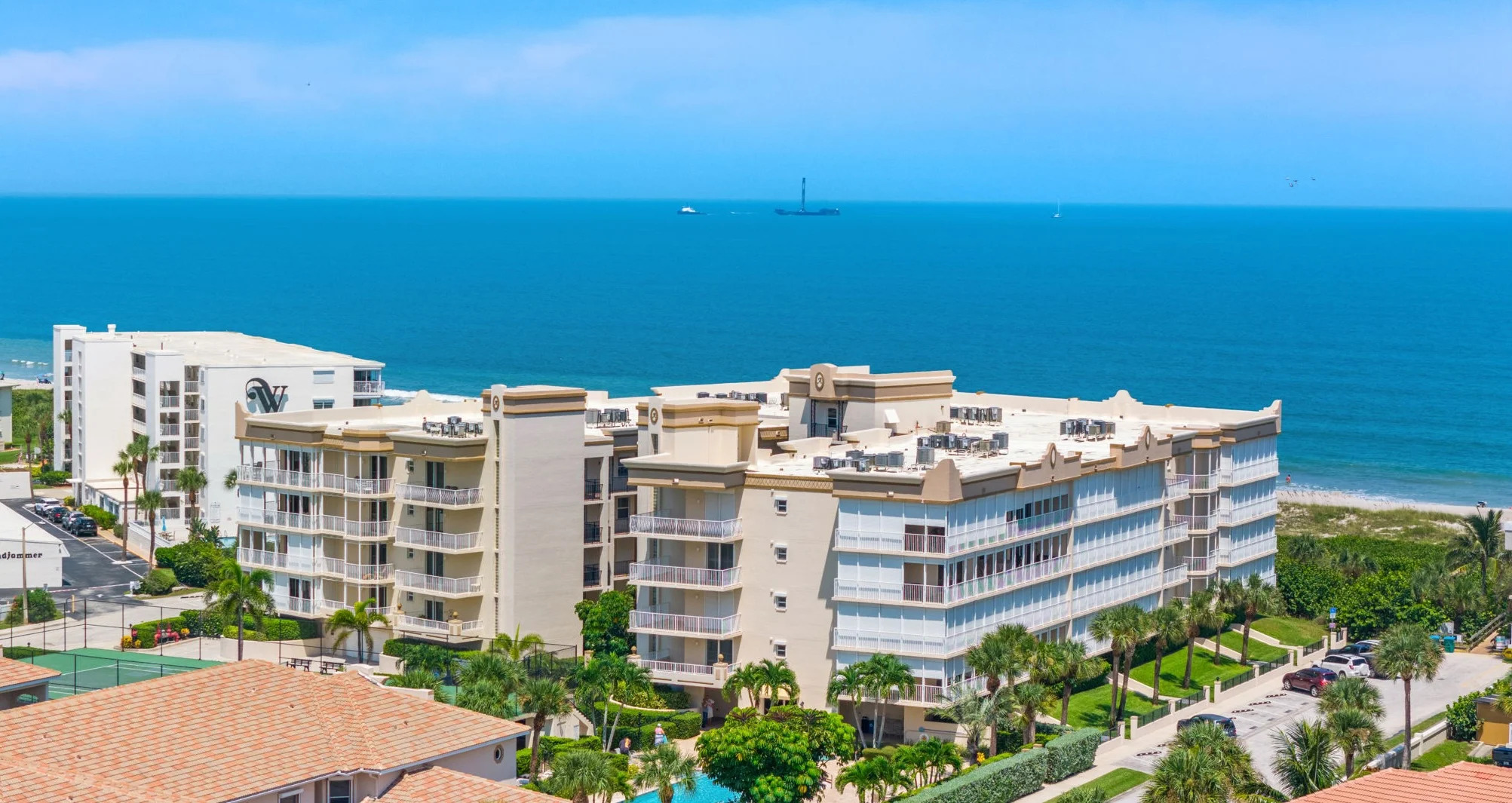
Cocoa Beach sits at the center of Florida's Space Coast, and the aerospace and defense employment base here gives it a different character than most of Florida's other beach markets.
Harris Corporation and Health First anchor an aerospace, defense, and healthcare economy tied closely to nearby Kennedy Space Center, a genuinely different demand driver than the tourism-only economies found in most other Florida beach towns. Steady defense-sector employment paired with real beach tourism gives Cocoa Beach a dual rental base: professionals relocating for aerospace jobs, and vacationers drawn to the coastline itself.
Cocoa Beach posts a submarket score of 66/100, with a strong Rental Demand score of 85 offset by a middling Revenue Growth score of 54. Annual revenue per listing averages $55,853 (down slightly, -1.4% year-over-year), with an average daily rate of $275.11 (up 2.6%) and occupancy of 63% (down 2.3%). Total active listings sit at 1,309, down 1.9% over the past year, a market with limited supply growth relative to its revenue potential.
Financing note: Harpoon Capital offers industry leading DSCR Loans for properties in Cocoa Beach and all throughout the market area. Check out our full DSCR Loans Program here, or if you want a quote on what terms look like today, fill out this two-minute form!
Sources: Zillow Home Value Index · BiggerPockets Market Finder · AirDNA Market Data
Investor Takeaway: Cocoa Beach's $55,853 average annual STR revenue is the third-highest on this list, generated by a market with a genuinely diversified demand base rather than tourism alone. Limited listing growth here suggests less competitive pressure than a market like Tampa or Myrtle Beach is currently facing.
Disney-adjacent demand in one of the most STR-friendly corridors in the state
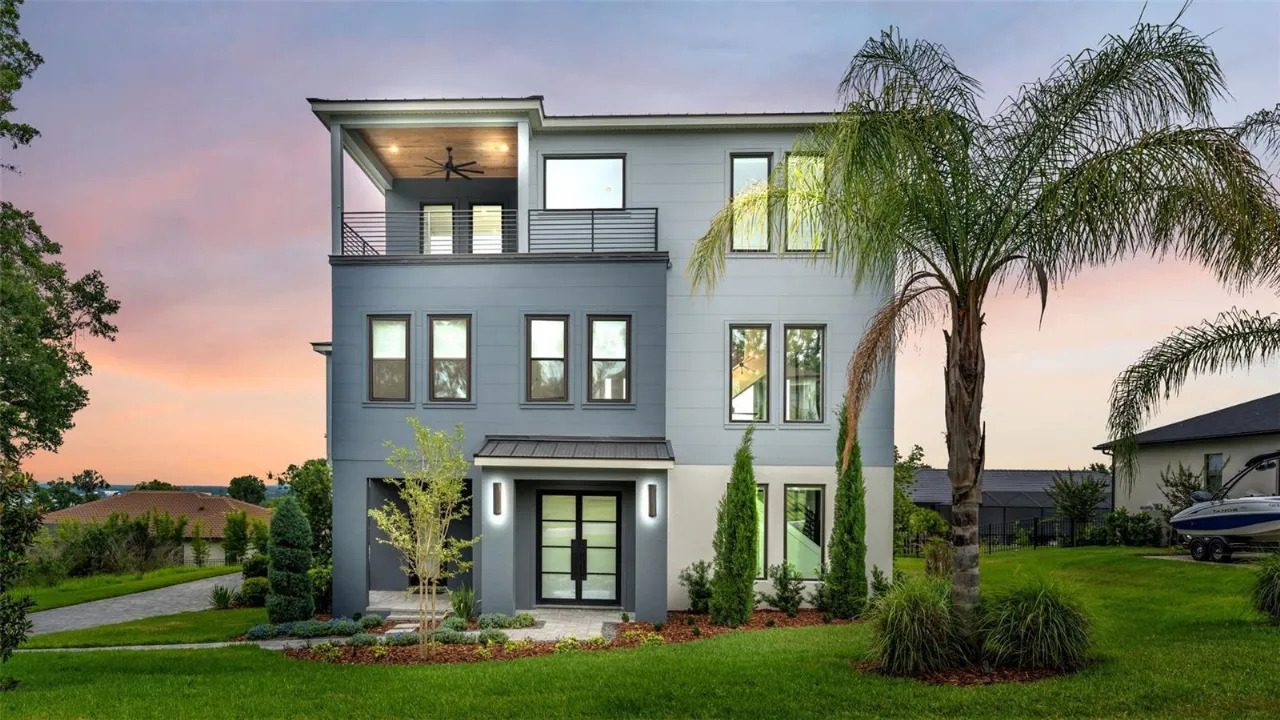
Kissimmee sits inside the Orlando metro but operates under a meaningfully friendlier STR regulatory environment than the city of Orlando itself, which limits whole-home rentals to specific zones and otherwise allows only owner-present home-sharing.
Walt Disney World and AdventHealth anchor the local economy, and Kissimmee sits within Osceola County, part of the broader Disney-area vacation-villa corridor that includes nearby communities like ChampionsGate, Reunion, and Solterra, all considerably more STR-friendly than the City of Orlando's home-sharing-only rules. Don't assume Orlando-metro STR rules apply uniformly across the area; the regulatory gap between Kissimmee and Orlando proper is real.
Kissimmee posts an excellent submarket score of 92/100, driven by a strong Revenue Growth score of 91 and Seasonality score of 89. Annual revenue per listing averages $37,676, up 10.5% year-over-year, among the fastest revenue growth of any market in this article. Average daily rate is $198.78 (up 10.6%), and occupancy sits at 57% (up 0.5%). Total active listings sit at 1,126, down 5.5% over the past year, revenue and rates climbing even as supply contracts.
Financing note: Harpoon Capital offers industry leading DSCR Loans for properties in Kissimmee and all throughout the market area. Check out our full DSCR Loans Program here, or if you want a quote on what terms look like today, fill out this two-minute form!
Sources: Zillow Home Value Index · BiggerPockets Market Finder · AirDNA Market Data
Investor Takeaway: Kissimmee combines double-digit revenue growth, a friendlier regulatory environment than its Orlando neighbor, and one of the strongest AirDNA scores in this article. Shrinking listing counts alongside rising rates and revenue is about as clean a supply-demand signal as this series has produced.
The highest STR revenue on this list, split between a capped Key West and an approachable Marathon
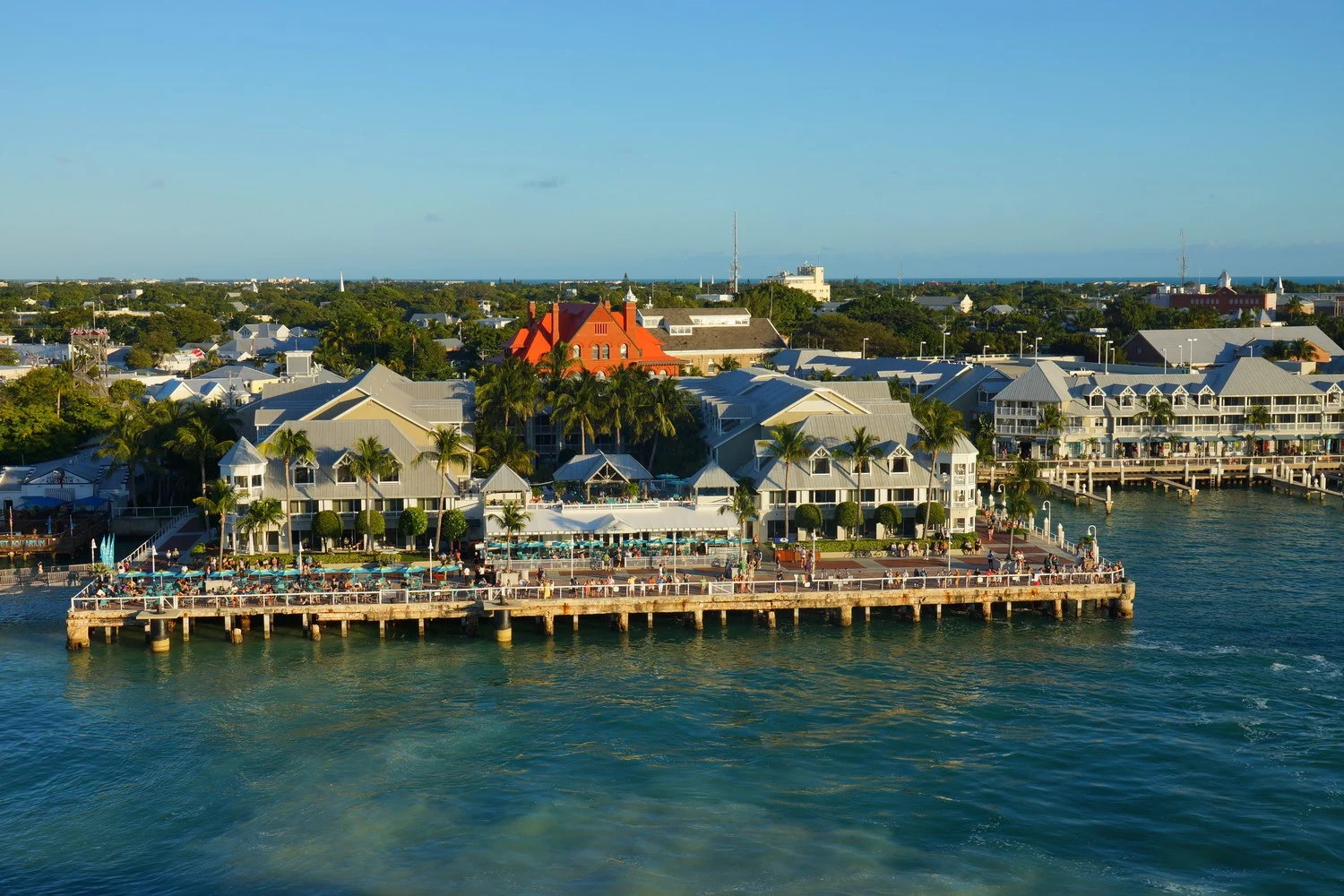
The Florida Keys generate more short-term rental revenue per listing than any other market in this article, but the investment thesis changes completely depending on which island you're looking at.
Here's the regulatory split that matters most: Key West defines short-term rentals as stays of 28 days or less and requires a capped Transient License tied to specific zoning, with new licenses rarely available. It's one of the pre-2011 grandfathered markets exempt from Florida's usual statewide preemption, and investor entry is genuinely constrained as a result. The total lodging tax runs to 12.5% (6% state, 1.5% county surtax, 5% county tourist tax), and licenses aren't transferable, so buying an existing licensed property doesn't guarantee you inherit the license itself without a separate application.
Marathon runs a different playbook entirely: a 7-day minimum stay rather than Key West's tighter structure, with its own city permitting process rather than a hard license cap. Combined with a price point roughly 25% below Key West's, this relative openness is exactly why Marathon shows up as a meaningfully more approachable entry point into Keys real estate for investors who find Key West's licensing scarcity too restrictive to underwrite around.
The Florida Keys overall (tracked under AirDNA's Key West market designation) post a submarket score of 60/100, with a strong Revenue Growth score of 84 offset by more middling Rental Demand (63) and Regulation (59) scores, the latter directly reflecting Key West's licensing constraints. Annual revenue per listing averages $93,313, up 4.0% year-over-year, the highest dollar figure of any market in this entire article. Average daily rate is $497.66 (up 4.0%), also the highest on this list by a wide margin. Occupancy sits at 62% (down 1.0%). Within the Keys, Key West itself posts a strong 83 submarket score with $129,000 in average revenue, while Marathon shows a still-excellent 80 score at a more accessible $75,000 in average revenue, and Stock Island, adjacent to Key West but outside its license cap, posts a 65 score with $120,000 in revenue.
Financing note: Keys deals often qualify on TTM actuals or STR Narrative revenue projections given the license and zoning complexity, with rural property provisions available for island addresses that don't fit a standard file.
Sources: Zillow Home Value Index · AirDNA Market Data
Investor Takeaway: The Keys post the strongest STR revenue numbers in this entire series, but Key West's licensing scarcity means the headline number describes existing, already-licensed inventory rather than a market broadly open to new buyers. Marathon and Stock Island both offer a meaningfully more accessible path into the same broader market, at a fraction of Key West's price and regulatory friction.
Source: AirDNA, current as of 2026. Scores and figures reflect each market or submarket as defined by AirDNA and may not correspond 1:1 with city or county boundaries.
A few patterns stand out. Kissimmee and Jacksonville lead on composite score, driven by strong fundamentals rather than tourism seasonality alone. The Florida Keys generate by far the highest dollar revenue but carry the added complexity of Key West's licensing cap. Tampa is the clear outlier in the wrong direction, the only market here posting double-digit declines in both revenue and occupancy while listings keep growing, a combination that should give any STR-focused buyer pause before underwriting a new purchase there.
Florida's real estate landscape offers a strategy for nearly every type of investor:
Market-level data is a starting point, not a substitute for underwriting the specific property, neighborhood, and rental strategy in front of you. Florida's statewide preemption makes most of the state genuinely STR-friendly, but grandfathered pre-2011 markets like Key West are a real exception, and HOA and condo association rules sit entirely outside state preemption regardless of what the city allows. Confirm both layers before you close.
Yes, and unusually so on short-term rentals specifically. Florida state law prevents cities and counties from banning vacation rentals or regulating stay length or frequency, unless their ordinance predates June 1, 2011. Most of Florida is genuinely STR-friendly as a result, with a handful of grandfathered exceptions like Key West and Miami Beach remaining far more restrictive.
No. Out-of-state and first-time investors can buy investment property in Florida without any license. A DSCR loan qualifies you primarily based on the property itself rather than your personal income or professional credentials, which is part of why it's such a common financing tool for out-of-state buyers.
A DSCR (Debt Service Coverage Ratio) loan qualifies a property primarily based on the property (its value, value and location) relative to its mortgage payment, rather than the borrower's personal income or tax returns. If the property's projected or actual rent covers the mortgage payment (a DSCR of 1.00x or higher), it's generally easier to qualify, and Harpoon Capital also offers options for deals below 1.00x.
Florida's 2011 preemption law protects vacation rentals from local bans and stay-length restrictions statewide, but it explicitly grandfathers any local ordinance adopted before June 1, 2011. Key West regulated short-term rentals before that date, so its capped Transient License system, tied to specific zoning with new licenses rarely available, remains fully enforceable today.
Harpoon Capital's DSCR loan program allows as little as 15% down on qualifying purchases, up to 85% LTV, with cash-out refinances available up to 80% LTV. Exact terms depend on the property, credit profile, and DSCR ratio. Fill out our two-minute quote form to see specific numbers for your deal.
Ready to Run the Numbers on a Florida Deal?
Whether you're eyeing Jacksonville's diversified economy or a Keys deal in Marathon, get a same-day rate and terms with our two-minute DSCR quote form, or explore the full Florida DSCR Loans Program to see how we qualify the property, not just the borrower.
Sources: Zillow Home Value Index & Rental data, Redfin housing market data, BiggerPockets Market Finder, AirDNA market and submarket data (airdna.co). Data collected as of September 2026, ahead of the 2027 investing season.
This article is for informational purposes only and does not constitute investment, legal, or financial advice. Harpoon Capital encourages investors to conduct independent due diligence before making any real estate investment decision.