.png)

.jpg)
By Robin Simon, President, Harpoon Capital · About · LinkedIn · Author, The Book on DSCR Loans (Available on Amazon)

Missouri pairs two major metros with three of the Midwest's most-visited vacation destinations, and the regulatory range between them is as wide as anything we've covered in this series. There's a diversified metro in Kansas City, a college and healthcare hub in Springfield, the entertainment capital of the Ozarks in Branson, a university town in Columbia, a river city in Cape Girardeau, and a lake resort market in Lake Ozark. Home prices range from the low $220,000s in Cape Girardeau to the low $330,000s at the lake, a narrower spread than several other states in this series.
This breakdown uses market data collected as of September 2026, the most current snapshot available heading into next year's buying season. If you're evaluating a purchase in the final months of 2026, keep in mind that your first full year of rental income, appreciation, or short-term rental revenue lands in 2027 regardless of when you close. A deal you underwrite today is already a 2027 investing decision, just one made with the freshest data available right now.
Missouri has no unified statewide short-term rental law, only a 4.225% state sales tax on stays of 30 nights or fewer. Everything else is set locally, and the range is unusually wide even by this series' standards: Kansas City runs one of the stricter regimes we've seen, with density caps and primary-residence requirements in many zones, while Columbia currently has no formal STR ordinance at all. Branson and Lake Ozark both split across multiple jurisdictions within the same tourist area, so which side of a city or county line a property sits on can change the rules entirely.
Below, we break down six Missouri markets worth watching, using current data from Zillow, Redfin, BiggerPockets, and AirDNA.
Note: Home price appreciation and rent-growth figures below come from Zillow's Home Value Index (ZHVI), Redfin's median sale price data, and BiggerPockets' Market Finder, which use different methodologies and can vary from one another. We've cited both where available so you can compare. BiggerPockets doesn't have a standalone Branson page, and its Lake Ozark search redirects to an unrelated town called Ozark, MO near Springfield, so both sections rely on Zillow, AirDNA, and direct research instead.
Quick Answer: Missouri's Top 6 Markets
If you only read one section, read this one.
Scale and diversification, with the strictest STR rules on this list

Kansas City is Missouri's largest and most diversified metro, and it also runs one of the more restrictive short-term rental regimes we've covered anywhere in this series.
Cerner Corporation and the University of Missouri-Kansas City anchor a healthcare, education, and technology economy that's genuinely diversified for a metro this size. Kansas City is also among the strictest cities in this entire series for STR regulation: many zones impose a primary-residence requirement, meaning only an owner's main home can be listed short-term, and the city enforces density caps that prohibit STRs outright in certain neighborhoods. A business license runs $39 to apply plus an annual fee tied to gross receipts, and an STR Certificate requires proof of insurance and safety compliance before you can legally list.
Kansas City posts an AirDNA score of 73/100, with strong Investability (88) and Rental Demand (89) scores offset by a weak Revenue Growth score of 46. Annual revenue per listing averages $39,070 (up a striking 14.1% year-over-year), with an average daily rate of $199.52, up an even sharper 23.8%. Occupancy has fallen to 61% (down 5.5%), and total active listings have surged 40.8% over the past year to 4,330, the fastest listing growth of any market in this entire series. Rates and revenue are climbing fast while occupancy softens, a pattern consistent with a market that's been discovered quickly and is still absorbing a wave of new supply.
Financing note: Harpoon Capital offers industry leading DSCR Loans for properties in Kansas City and all throughout the market area. Check out our full DSCR Loans Program here, or if you want a quote on what terms look like today, fill out this two-minute form!
Sources: Zillow Home Value Index · BiggerPockets Market Finder · AirDNA Market Data
Investor Takeaway: Kansas City's rate and revenue growth are the fastest in this article, but so is its listing growth, and the primary-residence requirement in many zones means the STR opportunity here is genuinely narrower than the topline numbers suggest. Confirm zoning on your specific address before assuming you can operate a non-owner-occupied rental.
A near-perfect AirDNA score backed by healthcare and education jobs
.jpg)
Springfield posts one of the strongest AirDNA scores in this entire series, built on a genuinely diversified economy rather than tourism alone.
CoxHealth and Missouri State University anchor an economy split across healthcare, education, and manufacturing, giving Springfield a diversified job base without the regulatory friction of a larger metro like Kansas City. Real jobs paired with comparatively light-touch local STR rules show up clearly in the numbers below.
Springfield posts an outstanding AirDNA score of 99/100, with a perfect Revenue Growth score of 100 and strong Investability (93) and Seasonality (84) scores. Annual revenue per listing averages $29,252 (up 9.4% year-over-year), with an average daily rate of $132.42 (up 5.2%) and occupancy of 66% (up 4.1%), among the strongest occupancy figures in this article. Total active listings sit at 740, up a modest 5.1% over the past year, revenue and occupancy both climbing without the runaway supply growth seen in Kansas City.
Financing note: Harpoon Capital offers industry leading DSCR Loans for properties in Springfield and all throughout the market area. Check out our full DSCR Loans Program here, or if you want a quote on what terms look like today, fill out this two-minute form!
Sources: Zillow Home Value Index · BiggerPockets Market Finder · AirDNA Market Data
Investor Takeaway: Springfield combines a near-perfect AirDNA score with rising occupancy and only modest new supply, arguably the cleanest overall picture in this entire article. It doesn't carry Kansas City's name recognition, but the fundamentals underneath it are stronger.
Thinking About One of These Markets?
Get a same-day DSCR Loan quote for a specific deal, or browse the full Harpoon Capital DSCR Loan Program to see rates, LTV, and qualification details before you keep reading.
Ozarks entertainment revenue, split across city and county jurisdictions
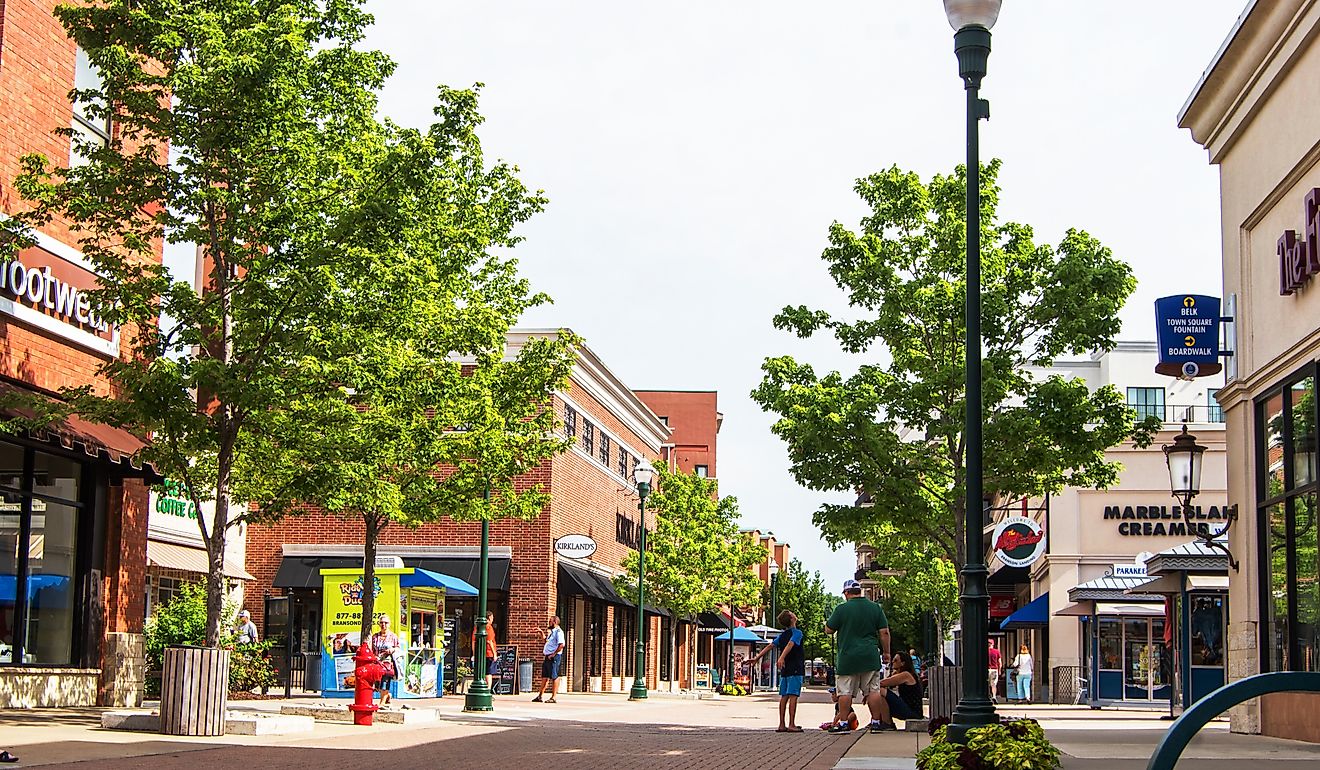
Branson is the entertainment capital of the Ozarks, built around live music theaters, Table Rock Lake, and a tourism economy that's remained STR-friendly even as neighboring markets have tightened up.
Branson's economy runs almost entirely on tourism, and the city has historically welcomed STR operators with comparatively light barriers to entry given how tourism-dependent the local politics are. The jurisdictional detail matters more here than the regulations themselves: Branson's Ordinance No. 2024-0065 governs properties inside city limits only, requiring registration, a Fire Department permit, and a 4% city tourism tax filed directly through the city's own portal. A property just outside city limits in unincorporated Taney County answers to county zoning instead, a completely different authority. Late tourism tax payments carry a steep penalty, a 10% late fee plus 1% monthly interest, so two lake properties with nearly identical views can carry very different compliance costs depending on which side of a line they sit on.
Branson posts a submarket score of 62/100, with a strong Investability score of 88 offset by a weak Seasonality score of 44, the familiar pattern from vacation markets throughout this series. Annual revenue per listing averages $38,940 (down slightly, -0.8% year-over-year), with an average daily rate of $245.61 (up 1.8%) and occupancy of 49% (down 3.5%). Total active listings sit at 5,305, down 3.3% over the past year.
Financing note: Branson and Table Rock Lake deals often qualify on TTM actuals or STR Narrative revenue projections given the seasonal concentration, with rural property provisions available for addresses that don't fit a standard suburban file.
Sources: Zillow Home Value Index · AirDNA Market Data
Investor Takeaway: Branson's low Seasonality score reflects its entertainment-and-lake-driven tourism calendar, not weak demand. The real underwriting question here is jurisdictional: confirm whether a specific property sits inside Branson city limits or unincorporated Taney County before you assume either the ordinance or the tax rate that applies to it.
Mizzou-driven demand in a market with essentially no formal STR regulation

Columbia is home to the University of Missouri, and unlike almost every other market in this series, it currently has no formal short-term rental ordinance at all.
The University of Missouri drives steady demand for off-campus student housing and a broader rental market that serves university staff and a growing healthcare and research sector. Columbia's regulatory picture stands out sharply against Kansas City's: the city currently has no STR-specific ordinance in place, though it's reportedly working on one, which makes this one of the lightest-touch markets in this entire series for the moment. Rules here could change, so a Mizzou-adjacent purchase today is a bet that any future ordinance lands closer to Springfield's approach than Kansas City's.
Columbia posts a strong AirDNA score of 91/100, with an excellent Revenue Growth score of 84 and Seasonality score of 86, though Investability (71) is more middling. Annual revenue per listing averages $29,437 (up 12.3% year-over-year), with an average daily rate of $156.68 (up 5.4%) and occupancy of 57% (up 5.9%). Total active listings sit at 440, unchanged over the past year, revenue and occupancy both climbing on a flat supply base.
Financing note: Harpoon Capital offers industry leading DSCR Loans for properties in Columbia and all throughout the market area. Check out our full DSCR Loans Program here, or if you want a quote on what terms look like today, fill out this two-minute form!
Sources: Zillow Home Value Index · BiggerPockets Market Finder · AirDNA Market Data
Investor Takeaway: A 91 AirDNA score with no formal STR ordinance to navigate is a rare combination in this series. The absence of regulation today is an opportunity, not a guarantee, keep an eye on Columbia's council if you're underwriting a longer hold.
A stable, affordable river city well outside Missouri's usual investor radar

Cape Girardeau sits on the Mississippi River and offers a genuinely affordable, if unspectacular, alternative to Missouri's larger metros.
Southeast Missouri State University anchors a healthcare, education, and manufacturing economy in a historic riverfront setting, and the city's regulatory footprint is light, consistent with the more relaxed approach smaller Missouri counties tend to take toward STRs. The flat year-over-year rent growth stands out directly: every other market in this article shows positive rent growth, so Cape Girardeau's long-term rental market may be cooling even as its STR numbers below stay strong.
Cape Girardeau posts a strong submarket score of 88/100, with an excellent Seasonality score of 89 and solid Rental Demand score of 86, though Revenue Growth (51) is more middling. Annual revenue per listing averages $25,006 (down 2.8% year-over-year), with an average daily rate of $131.38 (down 2.7%) and occupancy of 58% (up 1.7%). Total active listings sit at just 140, up a modest 0.7% over the past year, a genuinely thin market with limited comparable data.
Financing note: Harpoon Capital offers industry leading DSCR Loans for properties in Cape Girardeau and all throughout the market area. Check out our full DSCR Loans Program here, or if you want a quote on what terms look like today, fill out this two-minute form!
Sources: Zillow Home Value Index · BiggerPockets Market Finder · AirDNA Market Data
Investor Takeaway: Cape Girardeau won't produce headline numbers, but the entry price is low, the STR score is strong, and the regulatory environment is genuinely light. Double-check the flat rent growth on the long-term side before you commit to a buy-and-hold strategy here specifically.
The highest STR revenue on this list, hidden behind the lowest score we've seen in this series
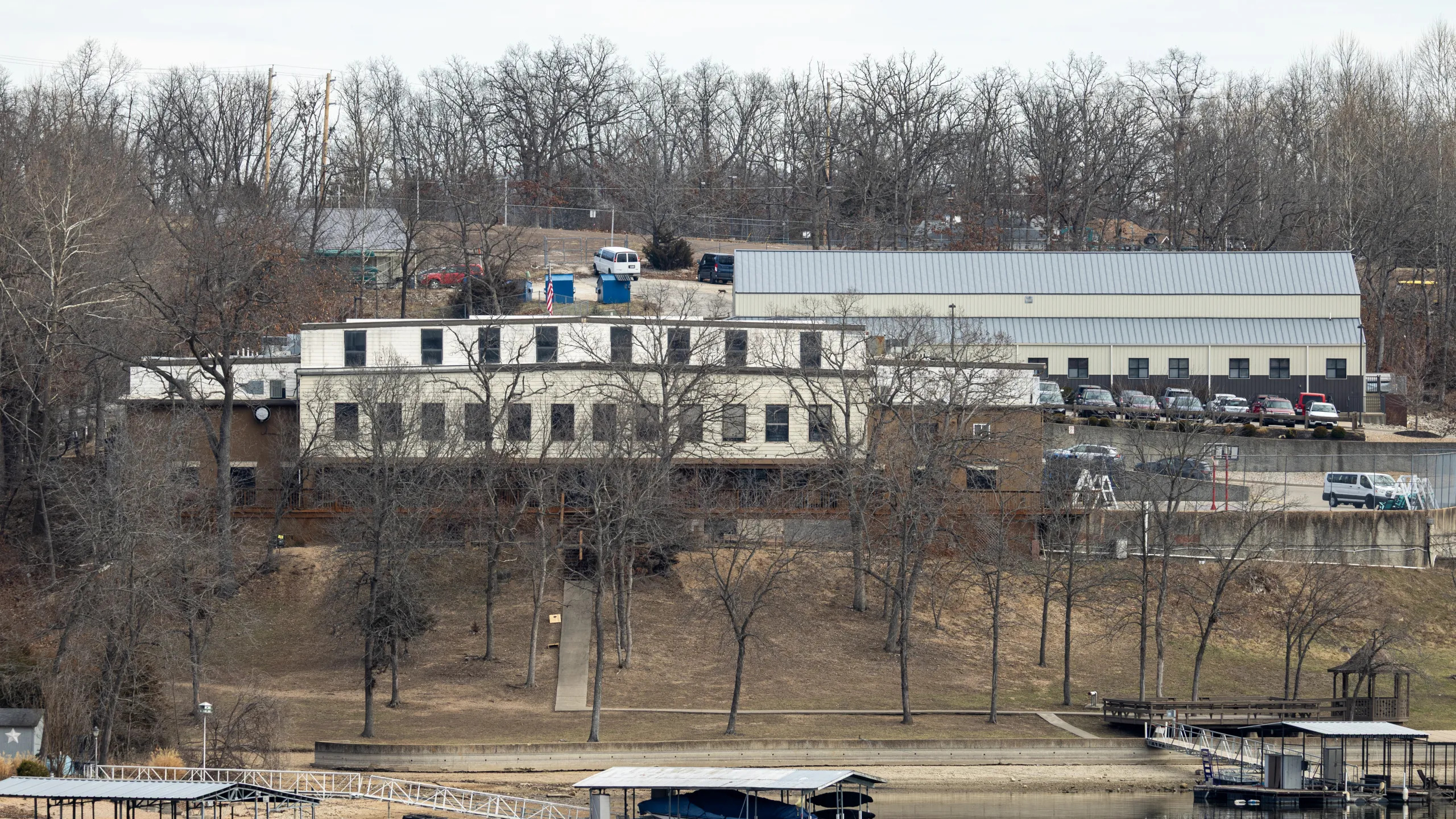
Lake Ozark sits at the heart of the Lake of the Ozarks, and it posts the lowest AirDNA score of any market we've covered across this entire state-by-state series, sitting directly beneath some of the strongest STR revenue in Missouri.
The Lake of the Ozarks vacation rental market is genuinely booming by revenue, but the regulatory picture varies sharply depending on which specific county or municipality a property sits in. The City of Lake Ozark itself was, as of recent reporting, still considering formal STR registration requirements rather than already enforcing them, and beyond the public zoning question, many lakefront subdivisions carry private HOA covenants that cap rental days or ban commercial use entirely, restrictions that exist regardless of what the city or county allows. Confirm both layers, municipal rules and subdivision covenants, before assuming a lakefront property is clear to operate as a short-term rental.
The broader Lake of the Ozarks market posts a score of just 41/100, the lowest of any market in this entire series, driven down by weak Rental Demand (50), Revenue Growth (51), and Seasonality (44) scores despite a solid Investability score of 74. Annual revenue per listing averages $37,082 (up 0.9% year-over-year), with a high average daily rate of $339.88 (up 4.7%) and occupancy of 42% (down 3.6%), the lowest occupancy figure in this article. Total active listings sit at 4,175, up 1.2% over the past year. Within the region, the Lake Ozark submarket specifically posts a score of 44 with $30,000 in average revenue, a 40% occupancy rate, and a $311 average daily rate, broadly consistent with the wider regional picture.
Financing note: Lake of the Ozarks deals often qualify on TTM actuals or STR Narrative revenue projections given the seasonal concentration, with rural property provisions available for lakefront addresses that don't fit a standard suburban file.
Sources: Zillow Home Value Index · AirDNA Market Data
Investor Takeaway: A 41 AirDNA score is the lowest we've seen anywhere in this series, and it sits directly beneath a $339.88 average daily rate, among the highest we've covered. The gap between them is a seasonality story, not a demand problem, but the jurisdictional patchwork and private HOA covenants around the lake mean the diligence burden here is genuinely higher than the revenue numbers alone suggest.
Source: AirDNA, current as of 2026. Scores and figures reflect each market or submarket as defined by AirDNA and may not correspond 1:1 with city or county boundaries.
A few patterns stand out. Springfield, Columbia, and Cape Girardeau, Missouri's non-vacation markets, post the three highest composite scores in this article, all built on real jobs rather than tourism. Kansas City's listing growth of 40.8% is the fastest in this entire series, a market that's clearly been discovered quickly. Lake of the Ozarks and Branson both show the familiar low-score, high-revenue vacation-market pattern seen throughout this series, with Lake of the Ozarks posting the single lowest composite score we've recorded anywhere.
Missouri's real estate landscape offers a strategy for nearly every type of investor:
Market-level data is a starting point, not a substitute for underwriting the specific property, neighborhood, and rental strategy in front of you. Missouri leaves nearly all short-term rental regulation to individual cities and counties, and Branson and Lake Ozark both split across multiple jurisdictions within the same tourist area. Confirm which specific authority governs your address, and check for private HOA or subdivision covenants, before you close.
Yes, broadly. Missouri has no rent control and no statewide cap on security deposits. There's no unified statewide short-term rental license either, just a 4.225% state sales tax on stays under 30 days. Local rules vary enormously, from Kansas City's strict density caps and primary-residence requirements to Columbia's current lack of any formal STR ordinance, so confirm local rules before you buy with a short-term rental strategy in mind.
No. Out-of-state and first-time investors can buy investment property in Missouri without any license. A DSCR loan qualifies you primarily based on the property itself rather than your personal income or professional credentials, which is part of why it's such a common financing tool for out-of-state buyers.
A DSCR (Debt Service Coverage Ratio) loan qualifies a property primarily based on the property (its value, value and location) relative to its mortgage payment, rather than the borrower's personal income or tax returns. If the property's projected or actual rent covers the mortgage payment (a DSCR of 1.00x or higher), it's generally easier to qualify, and Harpoon Capital also offers options for deals below 1.00x.
Lake Ozark's score is pulled down primarily by weak Seasonality, Rental Demand, and Revenue Growth readings, reflecting how concentrated the Lake of the Ozarks' tourism season is. Its Average Daily Rate ($339.88) is among the highest of any Missouri market in this article, so the low composite score reflects seasonal concentration and jurisdictional complexity, not weak underlying demand.
Harpoon Capital's DSCR loan program allows as little as 15% down on qualifying purchases, up to 85% LTV, with cash-out refinances available up to 80% LTV. Exact terms depend on the property, credit profile, and DSCR ratio. Fill out our two-minute quote form to see specific numbers for your deal.
Ready to Run the Numbers on a Missouri Deal?
Whether you're eyeing Springfield's clean fundamentals or a lake deal at Lake Ozark, get a same-day rate and terms with our two-minute DSCR quote form, or explore the full Missouri DSCR Loans Program to see how we qualify the property, not just the borrower.
Sources: Zillow Home Value Index & Rental data, Redfin housing market data, BiggerPockets Market Finder, AirDNA market and submarket data (airdna.co). Data collected as of September 2026, ahead of the 2027 investing season.
This article is for informational purposes only and does not constitute investment, legal, or financial advice. Harpoon Capital encourages investors to conduct independent due diligence before making any real estate investment decision.