.png)


By Robin Simon, President, Harpoon Capital · About · LinkedIn · Author, The Book on DSCR Loans (Available on Amazon)
Washington is a state of two economies: a Puget Sound corridor where prices are high and rent-to-price ratios are thin, and an eastern and southern tier where Seattle-area money keeps arriving. Home prices run from about $360,000 in Longview to about $874,000 in Seattle (Redfin, 2026), and the “rent-to-price ratios” sit between roughly 0.28% and 0.36% a month on BiggerPockets, which means many purchases will land below 1.00x on a DSCR loan, so the underwriting matters. Investors buying here typically finance with Washington DSCR loans, which are qualified primarily based on the property rather than the borrower's personal income.
This breakdown uses market data collected as of October 2026, the most current snapshot available heading into next year's buying season. If you're evaluating a purchase in the final months of 2026, keep in mind that your first full year of rental income, appreciation, or short-term rental revenue lands in 2027 regardless of when you close. A deal you underwrite today is already a 2027 investing decision, just one made with the freshest data available right now.
Washington has no statewide short-term rental license or preemption law, so every city and county sets its own rules, according to Awning's 2026 Washington guide: Seattle requires both an operator license and a unit license, Tacoma requires registration, and Pierce County allows vacation rentals near Mount Rainier with a simple affidavit and no license fee. Red Awning's 2026 guide adds that Seattle and Olympia require owner occupancy, which matters a great deal for an investor.
One pattern shows up in Redfin's search data, which tracks home searches rather than actual moves: Seattle-area buyers are the top inbound source for Spokane (a net 2,496), Longview (1,555) and Walla Walla (241), and Spokane is the top search destination for Seattle, Tacoma and Olympia buyers. Redfin's “Compete Scores” are high almost everywhere, with Tacoma at 87 and Olympia at 83 (“very competitive”), Spokane at 76 and Walla Walla the exception at 64.
Below, we break down six Washington markets worth watching, using current data from Redfin, BiggerPockets, and AirDNA.
Note: Home price appreciation and rent-growth figures below come from Redfin's median sale price data and BiggerPockets' Market Finder, which use different methodologies and can vary from one another. BiggerPockets' appreciation figures (6% to 11%) sit well above Redfin's recent price changes (from -3.4% to +3.1%), which suggests a longer window, so treat them as directional. The BiggerPockets figures for the Tacoma/Olympia market are for Olympia and cover the Olympia–Lacey–Tumwater metro, Seattle's cover the Seattle–Tacoma–Bellevue metro, and BiggerPockets' narrative for Longview describes Longview, Texas, so only its numbers are used. Redfin's search-data tables repeat across Seattle, Tacoma and Olympia, so they're treated as regional.
Seattle money and fast rent growth

Spokane is Eastern Washington's hub and the destination Seattle-area buyers search most, which has pushed rent growth and demand up while leaving the rent-to-price ratio thin, i.e. prices have outrun rents.
Providence Sacred Heart Medical Center anchors a healthcare and education economy, and Redfin search data shows Seattle buyers looking at Spokane more than any other metro, with a net inflow of 2,496, ahead of Los Angeles (247) and Portland (177). However, BiggerPockets' 10.83% appreciation sits against a 1.7% drop in Redfin's median, so the recent trend is cooler than the headline, and First Street data on Redfin rates the wildfire risk as “moderate” but broad, with 63% of properties exposed over the next 30 years, so insurance quotes belong in the underwriting. On the STR side, Awning reports that Spokane's rules focus on safety and building-code compliance rather than strict zoning limits.
The Spokane market posts an AirDNA score of 67/100, with Rental Demand (92) leading, Seasonality (76) and Investability (66) in good shape, and Revenue Growth (54) the “soft spot.” Annual revenue per listing averages $31,145 (up 3.9% year-over-year), with an average daily rate of $153.81 (up 3.2%) and occupancy of 62% (up 1.9%). Total active listings sit at 1,275, up 1.5%, and the Deer Park (score 88, $31K) and Downtown Spokane (score 81, $28K at 64% occupancy) submarkets lead the area.
Financing note: Harpoon Capital offers industry leading DSCR Loans for properties in Spokane and all throughout the market area. Check out our full DSCR Loans Program here, or if you want a quote on what terms look like today, fill out this two-minute form!
Sources: Redfin Housing Market↗ · BiggerPockets Market Finder↗ · Awning Washington STR Guide↗ · AirDNA↗
Investor Takeaway: Spokane offers the strongest growth on the list and steady STR demand, on a thin 0.31% rent ratio. Investors should generally underwrite the long-term rent first, expect a competitive bid, and price wildfire insurance into every deal.
South Sound bidding wars, 6% rent growth
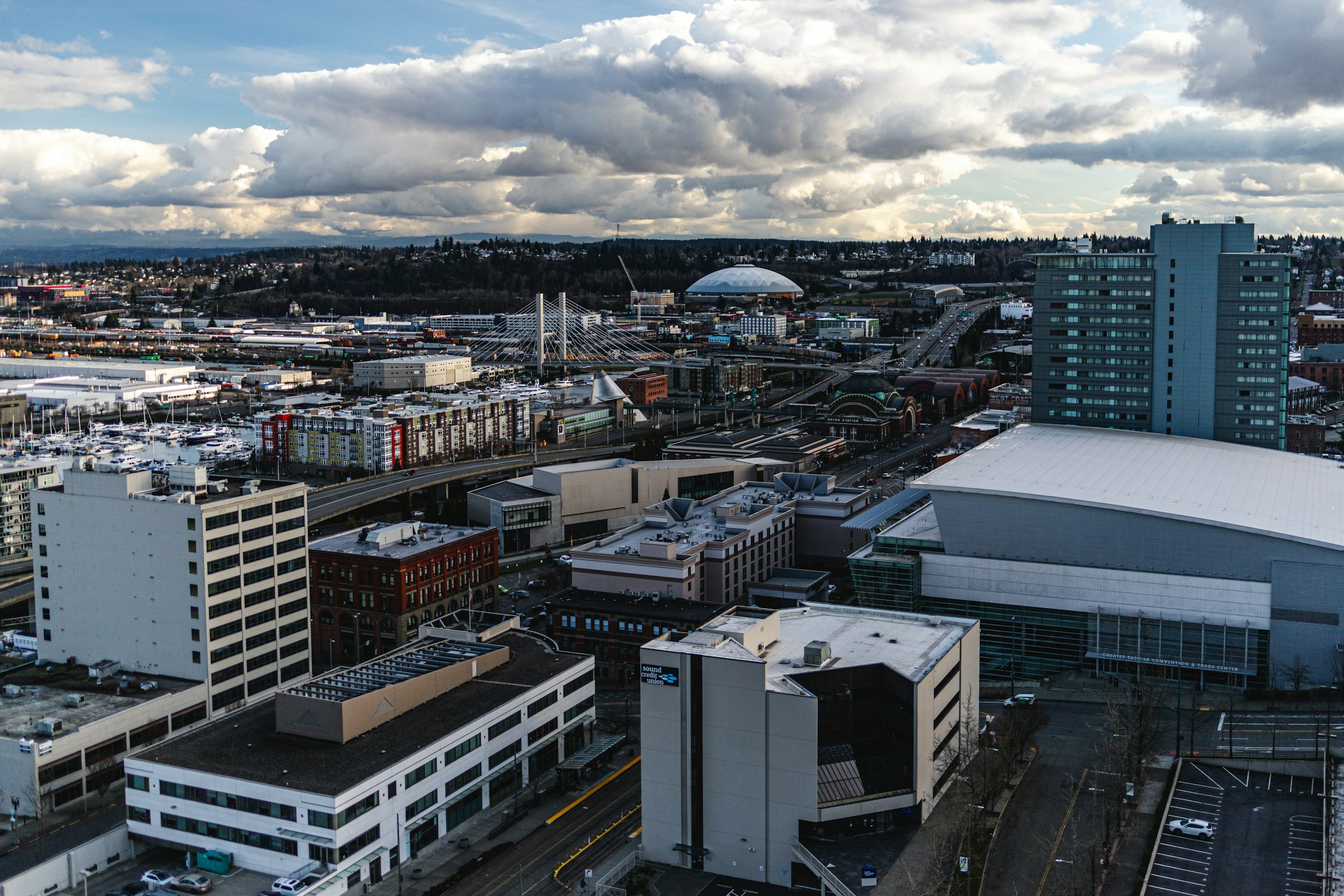
Tacoma and Olympia sit at the south end of Puget Sound, and together they form the most competitive buyer market in the state, with homes closing at or above list price in both cities, i.e. little room to negotiate.
BiggerPockets points to state government and healthcare in Olympia, with the State of Washington and Providence St. Peter Hospital among the major employers, while Tacoma adds a port-city rental base. Redfin search data shows San Francisco buyers looking at the area more than any other metro (a net 486), ahead of Chicago and Denver, while local buyers most often search Spokane. However, price per square foot is down 6.0% in Olympia and sales are down 9.4%, which suggests that buyers are choosier even as prices hold, and First Street data on Redfin rates Tacoma's flood risk as “major” (4% of properties). On the STR side, Awning says Tacoma requires property registration and Red Awning reports that Olympia has fairly restrictive rules, including owner occupancy.
The Tacoma/Olympia market posts an AirDNA score of 58/100, with Rental Demand (81) and Seasonality (74) leading, Regulation (62) and Revenue Growth (61) in the middle, and Investability (55) the “soft spot.” Annual revenue per listing averages $34,787 (up 2.0% year-over-year), with an average daily rate of $173.59 (up 4.2%) and occupancy of 62% (down 1.8%). Total active listings sit at 2,672, down 2.7%, and the Sumner (score 92) and Parkland/Brookdale (score 89) submarkets lead the area.
Financing note: Harpoon Capital offers industry leading DSCR Loans for properties in Tacoma and Olympia and all throughout the market area. Check out our full DSCR Loans Program here, or if you want a quote on what terms look like today, fill out this two-minute form!
Sources: Redfin Housing Market↗ · Redfin Housing Market↗ · BiggerPockets Market Finder↗ · Awning Washington STR Guide↗ · Red Awning Washington STR Guide↗ · AirDNA↗
Investor Takeaway: Tacoma/Olympia offers fast sales and 6% rent growth in markets where homes close at or above list. Investors should generally expect to bid at list, underwrite the long-term rent first, and confirm the STR rules city by city, since Olympia reportedly requires owner occupancy.
Premium prices and tight STR rules

Seattle is the state's largest market, with Amazon and the University of Washington driving the economy, the highest prices in the article and the thinnest rent-to-price ratio – plus the deepest short-term rental field, which is also the most tightly regulated.
BiggerPockets points to technology and healthcare, with Amazon and the University of Washington among the major employers, and Redfin search data shows San Francisco buyers looking at Seattle more than any other metro (a net 486), while Seattle buyers themselves most often search Spokane. However, a 0.28% rent ratio means a typical purchase will not cover its mortgage on rent alone, and falling sales and prices point to a market that is cooling. Awning reports that Seattle requires a short-term rental operator license and a separate unit license for each property, with platform audits, and Red Awning reports that owner occupancy is required, so confirm with the city before you plan an STR.
The Seattle market posts an AirDNA score of 50/100, with Rental Demand (92) leading, Seasonality (66) and Regulation (61) in the middle, and Revenue Growth (50) and Investability (49) the “soft spots.” Annual revenue per listing averages $39,323 (down 0.2% year-over-year), with an average daily rate of $191.64 (up 5.3%) and occupancy of 65% (down 4.3%). Total active listings sit at 11,306, up 5.7%, the largest field in the article by far, and the International District and Wedgewood submarkets each earn around $39K to $41K.
Financing note: Harpoon Capital offers industry leading DSCR Loans for properties in Seattle and all throughout the market area. Check out our full DSCR Loans Program here, or if you want a quote on what terms look like today, fill out this two-minute form!
Sources: Redfin Housing Market↗ · BiggerPockets Market Finder↗ · Awning Washington STR Guide↗ · Red Awning Washington STR Guide↗ · AirDNA↗
Investor Takeaway: Seattle offers scale and the highest STR revenue among the core markets, with the thinnest rent ratio and the strictest rules. Investors should generally plan on long-term rent, expect many deals to land below 1.00x, and treat STR income as a “bonus” only if the owner-occupancy rules allow it.
Thinking About One of These Markets?
Get a same-day DSCR Loan quote for a specific deal, or browse the full Harpoon Capital DSCR Loan Program to see rates, LTV, and qualification details before you keep reading.
Seattle and California buyers, riverside STRs
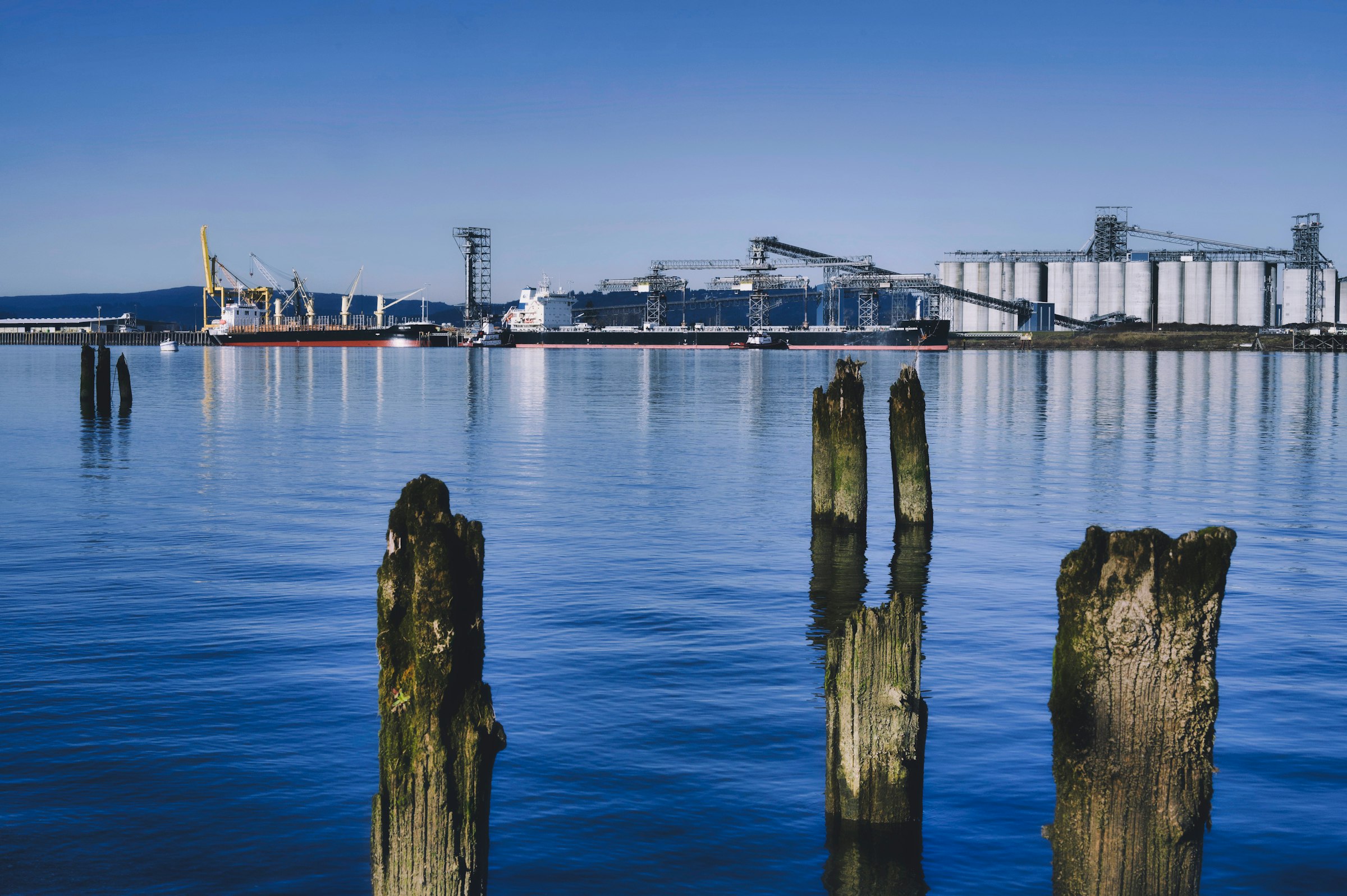
Longview sits on the Columbia River in southwest Washington, and it is the lowest-priced market in the article on Redfin's median, with sales surging and Seattle and California buyers leading the search interest.
Redfin search data shows Seattle buyers looking at Longview more than any other metro, with a net inflow of 1,555, ahead of San Francisco (892) and Los Angeles (863), while Longview buyers most often search Bend, Oregon (830). However, a 3.0% price drop alongside 40.2% of homes selling above list suggests a mixed market, and a 0.30% rent ratio is thin, so the case rests on out-of-state demand rather than cash flow, i.e. verify rents locally. First Street data on Redfin rates the flood risk as “minor” (3% of properties). BiggerPockets' narrative for Longview describes Longview, Texas, so no employers are cited here, and no STR rules were confirmed for Longview.
The AirDNA submarket for Longview posts a score of 50/100, with Seasonality (66) and Rental Demand (65) leading, Revenue Growth (63) and Regulation (62) in the middle, and Investability (56) the “soft spot.” Annual revenue per listing averages $31,017 (up 3.1% year-over-year), with an average daily rate of $184.39 (up 5.1%) and occupancy of 54% (down 2.0%). Total active listings sit at 253, down 2.3%, and riverside listings with hot tubs, such as one earning $72K a year at 81% occupancy, show where the “premium” sits.
Financing note: Harpoon Capital offers industry leading DSCR Loans for properties in Longview and all throughout the market area. Check out our full DSCR Loans Program here, or if you want a quote on what terms look like today, fill out this two-minute form!
Sources: Redfin Housing Market↗ · BiggerPockets Market Finder↗ · AirDNA↗
Investor Takeaway: Longview offers the lowest median price in the article, surging sales and a riverside STR niche, on a thin rent ratio. Investors should generally underwrite conservatively, verify the BiggerPockets figures against local rents, and confirm the STR rules before they buy.
Wine-country revenue and 9% rent growth
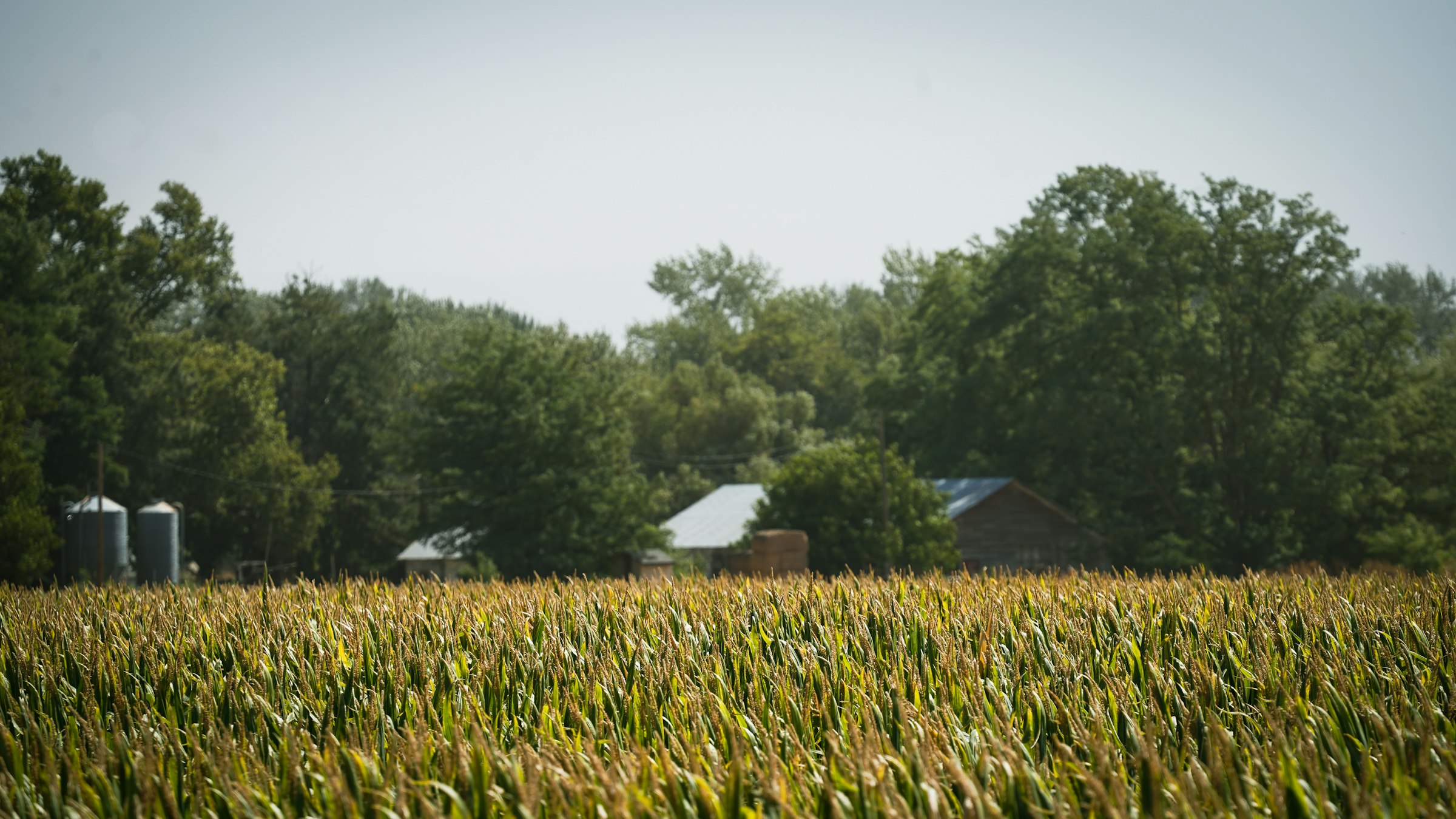
Walla Walla is known for its vineyards and scenic beauty – and it combines the fastest rent growth on BiggerPockets with the highest STR revenue among the core markets outside Seattle!
BiggerPockets points to agriculture and healthcare, with Providence St. Mary Medical Center among the major employers, and Redfin search data shows Seattle buyers looking at Walla Walla more than any other metro (a net 241), while local buyers most often search Spokane. However, 9.43% rent growth on a 0.10% population gain is a combination to verify against local rent listings, and First Street data on Redfin rates the wildfire risk as “moderate” (20% of properties). No STR rules were confirmed for Walla Walla.
The AirDNA submarket for Walla Walla posts a score of 54/100, with Rental Demand (71) and Investability (69) leading, Regulation (64) and Seasonality (62) in the middle, and Revenue Growth (52) the “soft spot.” Annual revenue per listing averages $41,667 (up 0.6% year-over-year), with an average daily rate of $280.53 (down 3.3%) and occupancy of 47% (up 3.2%). Total active listings sit at 367, up 0.3%, and top listings such as Villa Bella Vista ($218K a year) show how much wine-country properties can earn.
Financing note: Harpoon Capital offers industry leading DSCR Loans for properties in Walla Walla and all throughout the market area. Check out our full DSCR Loans Program here, or if you want a quote on what terms look like today, fill out this two-minute form!
Sources: Redfin Housing Market↗ · BiggerPockets Market Finder↗ · AirDNA↗
Investor Takeaway: Walla Walla offers wine-country STR revenue and the fastest BiggerPockets rent growth, with a thin rent ratio and almost no population growth. Investors should generally underwrite on trailing twelve-month actuals, verify rents locally, and treat the rate decline (-3.3%) as a warning.
Park-gate revenue, five-day sales
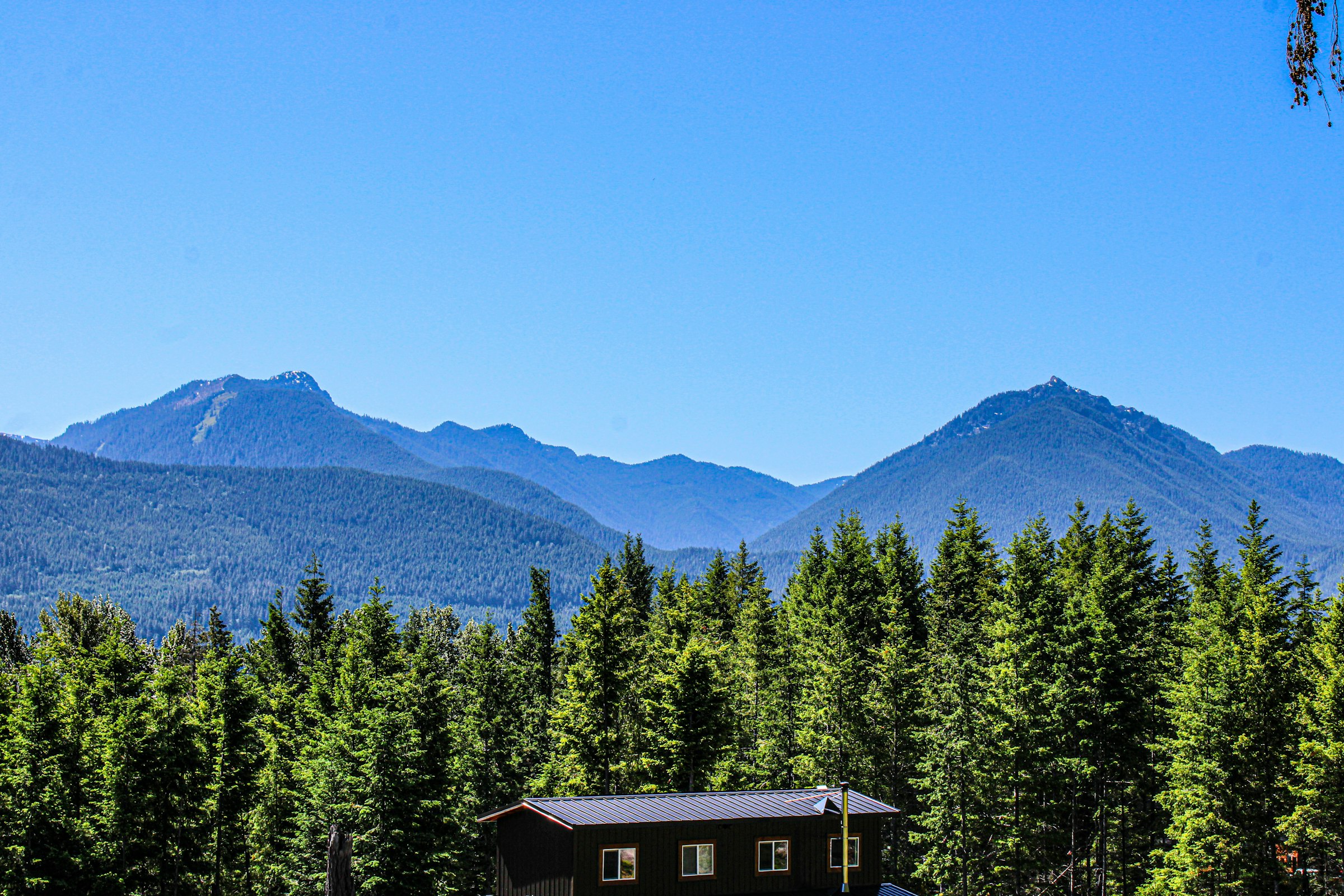
Ashford sits at the Nisqually entrance to Mount Rainier National Park in unincorporated Pierce County, and it has the highest AirDNA score and the highest revenue per listing in the article, with a very small home-sale sample.
The park drives the demand, and BNBCalc reports that Pierce County allows vacation rentals in Ashford under PCC 18A.37.040 with no license or fee, requiring only a Vacation Rental Affidavit, neighbor notice and a Good Neighbor brochure for guests, with no cap on the number of rentals, though Washington State's insurance, safety and tax rules still apply. First Street data on Redfin rates the wildfire and heat risk as “minimal,” but seasonality is the weak point in the AirDNA data. This section covers Ashford only: Packwood, on the Lewis County side of the park, is not separately analyzed because AirDNA and Redfin data for it were not included, and BiggerPockets figures aren't available for either.
The Ashford submarket posts an AirDNA score of 94/100, with Investability (95) and Rental Demand (91) at the top, Regulation (70) solid, and Seasonality (50) the “soft spot.” Annual revenue per listing averages $50,192 (up 5.5% year-over-year), with an average daily rate of $274.13 (up 3.5%) and occupancy of 59% (up 1.7%). Total active listings sit at 521, up 10.6%, and top listings such as Alder Lake Lookout ($191K a year at 86% occupancy) show how much a view and a hot tub can earn.
Financing note: Mount Rainier deals often qualify on TTM actuals or STR revenue projections given the seasonal revenue base, and Harpoon Capital offers industry leading DSCR Loans for properties throughout the market area. Check out our full DSCR Loans Program here, or if you want a quote on what terms look like today, fill out this two-minute form!
Sources: Redfin Housing Market↗ · BNBCalc Ashford STR Guide↗ · AirDNA↗
Investor Takeaway: Mount Rainier offers the highest STR revenue in the article, under a light-touch county process, in a market with a seasonal calendar and a growing listing count. Investors should generally underwrite on trailing twelve-month actuals, model the off-season, and treat the thin sales data with caution.
| MARKET | AIRDNA SCORE |
ANNUAL REVENUE |
AVG. DAILY RATE |
OCCUPANCY | YOY LISTING GROWTH |
|---|---|---|---|---|---|
| Mount Rainier (Ashford) | 94 | $50,192 (+5.5%) |
$274.13 (+3.5%) |
59% (+1.7%) | +10.6% (521 listings) |
| Spokane | 67 | $31,145 (+3.9%) |
$153.81 (+3.2%) |
62% (+1.9%) | +1.5% (1,275 listings) |
| Tacoma/Olympia | 58 | $34,787 (+2.0%) |
$173.59 (+4.2%) |
62% (-1.8%) | -2.7% (2,672 listings) |
| Walla Walla | 54 | $41,667 (+0.6%) |
$280.53 (-3.3%) |
47% (+3.2%) | +0.3% (367 listings) |
| Longview | 50 | $31,017 (+3.1%) |
$184.39 (+5.1%) |
54% (-2.0%) | -2.3% (253 listings) |
| Seattle | 50 | $39,323 (-0.2%) |
$191.64 (+5.3%) |
65% (-4.3%) | +5.7% (11,306 listings) |
Source: AirDNA, current as of 2026. Scores and figures reflect each market or submarket as defined by AirDNA and may not correspond 1:1 with city or county boundaries; Mount Rainier reflects AirDNA's Ashford submarket. As of October 2026
A few patterns stand out. Revenue per listing is highest where regulation is lightest or the setting is unusual: Ashford ($50,192) and Walla Walla ($41,667) both out-earn Seattle ($39,323), and Seattle's occupancy is the only one that fell by more than 4%. Seattle's 11,306 listings are more than four times Tacoma/Olympia's 2,672, which helps explain why its revenue is flat despite a rate increase of 5.3%. Walla Walla is the only market where occupancy rose while the rate fell, a sign that hosts are cutting prices to fill calendars.
Washington's real estate landscape offers a strategy for nearly every type of investor:
Market-level data is a starting point, not a substitute for underwriting the specific property, neighborhood, and rental strategy in front of you. Washington leaves short-term rental regulation to its cities and counties, and Seattle and Olympia reportedly require owner occupancy, so confirm what's legal at your specific address before you close, and price wildfire and flood insurance into the deal where it applies.
If you are ready to invest in one of these markets, start with our Washington DSCR loans page.
Sources: Redfin housing market data, BiggerPockets Market Finder, AirDNA market and submarket data (airdna.co), BNBCalc Ashford STR guide, Awning Washington STR regulations and Red Awning Washington STR guide. Data collected as of October 2026, ahead of the 2027 investing season.
No. Washington has no statewide short-term rental license or preemption law, so rules are set locally. According to Awning, Seattle requires an operator license and a unit license, Tacoma requires registration, and Spokane focuses on safety and building codes, while BNBCalc reports that Pierce County allows vacation rentals near Mount Rainier with an affidavit and no fee. Confirm current rules with the local jurisdiction before you close.
No. Out-of-state and first-time investors can buy investment property in Washington without any license. A DSCR loan qualifies you primarily based on the property itself rather than your personal income or professional credentials, which is part of why it's such a common financing tool for out-of-state buyers.
A DSCR (Debt Service Coverage Ratio) loan qualifies a property primarily based on the property (its value, value and location) relative to its mortgage payment, rather than the borrower's personal income or tax returns. If the property's projected or actual rent covers the mortgage payment (a DSCR of 1.00x or higher), it's generally easier to qualify, and Harpoon Capital also offers options for deals below 1.00x.
Red Awning reports that Seattle and Olympia require owner occupancy, and Awning reports that Seattle also requires both an operator license and a unit license, so a non-owner-occupied STR is generally not an option there. Investors who want STR income in Washington often look at areas with lighter rules, such as Pierce County near Mount Rainier, but should confirm the rules with the jurisdiction first.
Harpoon Capital's DSCR loan program allows as little as 15% down on qualifying purchases, up to 85% LTV, with cash-out refinances available up to 80% LTV. Exact terms depend on the property, credit profile, and DSCR ratio. Fill out our DSCR Loan Application to see specific numbers for your deal.
Ready to Run the Numbers on a Washington Deal?
Whether you're eyeing Spokane's growth or national-park stays near Mount Rainier, get a same-day rate and terms with our two-minute DSCR quote form, or explore the full Washington DSCR Loans Program to see how we qualify the property, not just the borrower.
This article is for informational purposes only and does not constitute investment, legal, or financial advice. Harpoon Capital encourages investors to conduct independent due diligence before making any real estate investment decision.