.png)


By Robin Simon, President, Harpoon Capital · About · LinkedIn · Author, The Book on DSCR Loans (Available on Amazon)

The best Wyoming markets for real estate investors in 2027 offer entry points from about $305,000 in Gillette and strong short-term rental potential, led by about $101,000 in average annual STR revenue in Jackson Hole and an AirDNA score of 90 in Cheyenne. Wyoming is one of the least crowded states in the country, and its six markets below run from the state capital in Cheyenne and the energy hubs of Casper and Gillette to the university town of Laramie, the mountain resort valley of Jackson Hole and Cody, the gateway town east of Yellowstone National Park. Median sale prices run up to nearly $2 million in Jackson (Redfin, 2026), and BiggerPockets puts rent-to-price ratios at 0.37% a month in Casper and 0.33% in Cheyenne, with rents between about $1,000 and $1,200. Investors buying here typically finance with Wyoming DSCR loans, which are qualified primarily based on the property rather than the borrower's personal income, and Wyoming's lack of a state income tax keeps more of the rental income in the investor's pocket.
This breakdown uses market data collected as of October 2026, the most current snapshot available heading into next year's buying season. If you're evaluating a purchase in the final months of 2026, keep in mind that your first full year of rental income, appreciation, or short-term rental revenue lands in 2027 regardless of when you close. A deal you underwrite today is already a 2027 investing decision, just one made with the freshest data available right now.
Wyoming has no statewide short-term rental license, but stays carry the 4% state sales tax plus any local sales tax (5% combined in Cheyenne, Casper, Gillette and Laramie, 7% in Jackson and 4% in Cody), a 5% statewide lodging tax (in effect since January 1, 2021) and any county lodging tax of up to 2%, and Airbnb collects the state's sales and lodging taxes for hosts (BNBCalc). Local rules vary, from Cody's annual registration and safety inspection to Jackson Hole, where the town limits STRs outside its Lodging Overlay and most of unincorporated Teton County bars rentals of fewer than 31 days. In practice, i.e. for an investor buying a nightly rental, the rules in Jackson Hole matter far more than anywhere else in the state.
Redfin's “Compete Scores” run from 85 in Gillette down to 70 in Casper (both “very competitive”), and homes in Laramie and Gillette are selling in a median of just 11 and 12 days, so investors in the larger markets should generally be ready to move quickly. Redfin does not publish migration data for any of these six markets.
Below, we break down six Wyoming markets worth watching, using current data from Zillow, Redfin, BiggerPockets, and AirDNA.
Note: Home price appreciation and rent-growth figures below come from Redfin's median sale price data, Zillow's Home Value Index and BiggerPockets' Market Finder, which use different methodologies and can vary from one another, so treat them as directional. Gillette, Laramie, Jackson and Cody do not have BiggerPockets pages of their own, so Zillow's figures are used for them. Several of Redfin's Wyoming pages show figures that look unreliable (e.g. an 82.5% sale-to-list ratio in Cheyenne, a 21.8% drop in Laramie's price per square foot and 0% of homes sold over list in Jackson and Cody), so those figures are left out. AirDNA's Jackson Hole figures cover its full market, which crosses into Teton Valley, Idaho, Cody is a submarket of its Bozeman/Yellowstone National Park market, and Cheyenne, Casper, Gillette and Laramie are submarkets of its Wyoming Area market.
Capital-city cash flow and Frontier Days demand
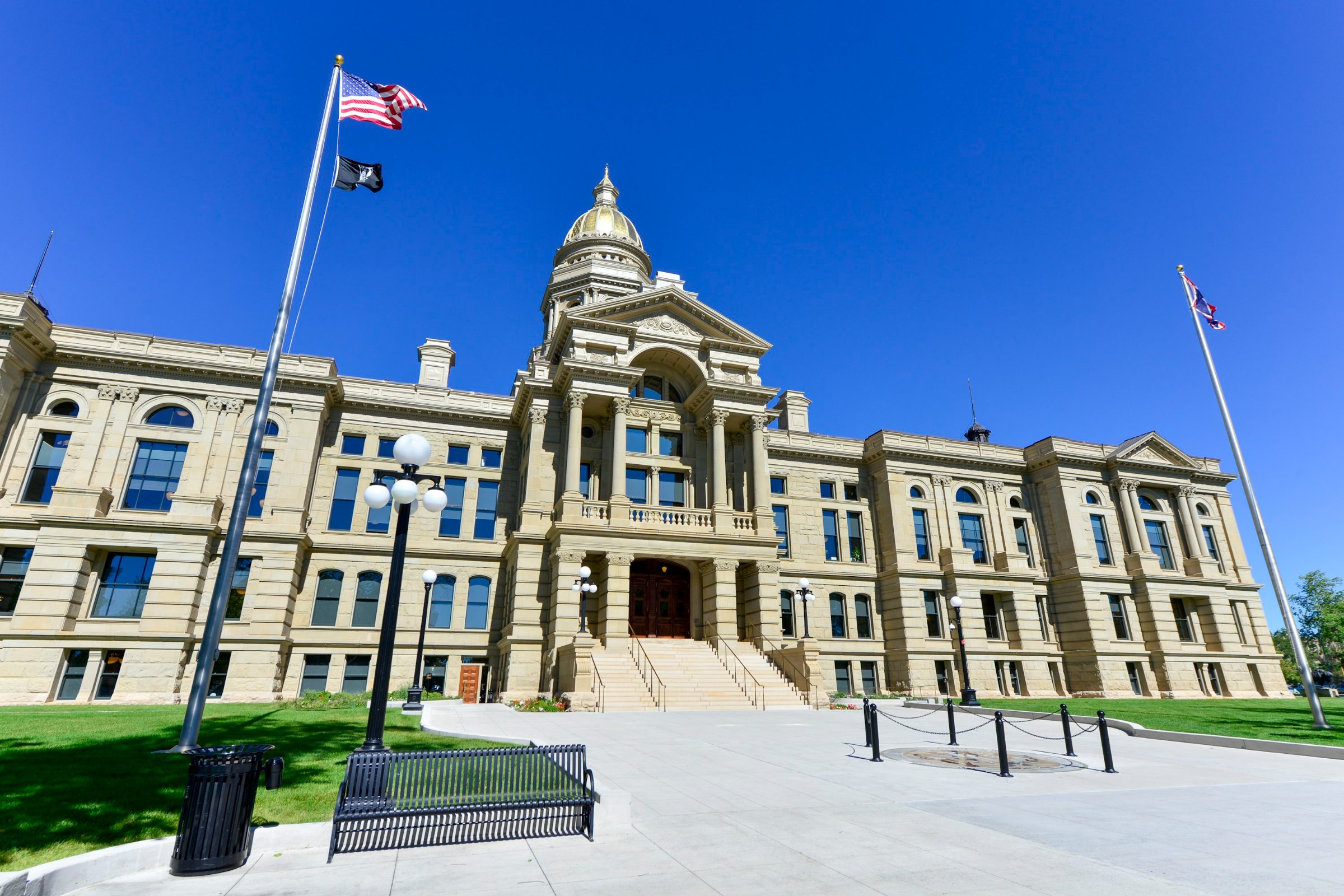
Cheyenne is Wyoming's capital and largest city, home to state government, F.E. Warren Air Force Base and the Union Pacific Railroad, about 90 minutes north of Denver, with the highest STR score in the article. It is the market on this list where long-term and short-term demand look the most balanced.
BiggerPockets points to government, healthcare and transportation, with the State of Wyoming and Union Pacific among the major employers, and the air base adds a steady stream of military renters. Additionally, Cheyenne Frontier Days fills the city every July, and the drive to Denver brings regular weekend visitors. First Street data on Redfin rates the flood risk as “minor” (4% of properties). On the STR side, stays carry a 5% combined sales tax plus the 5% statewide lodging tax and any county lodging tax (BNBCalc), and investors should confirm zoning, business license and occupancy rules with the city before buying.
The Cheyenne submarket posts an AirDNA score of 90/100, the highest in the article, with Rental Demand (97), Revenue Growth (87) and Seasonality (85) leading, and Regulation (58) and Investability (56) the “soft spots.” Annual revenue per listing averages $26,305 (up 8.0% year-over-year), with an average daily rate of $119.06 (up 9.4%) and occupancy of 72% (up 2.0%), the highest on the list. Total active listings sit at 513, up 9.8%, and larger downtown homes carry the top end, such as a five-bedroom home with a game room and hot tub ($105K a year at 71% occupancy).
Financing note: Harpoon Capital offers industry leading DSCR Loans for properties in Cheyenne and all throughout the market area. Check out our full DSCR Loans Program here, or if you want a quote on what terms look like today, fill out this two-minute form!
Sources: Redfin Housing Market↗ · BiggerPockets Market Finder↗ · BNBCalc Wyoming STR Guide↗ · AirDNA Market Data↗
Investor Takeaway: Cheyenne offers the highest STR score and occupancy in Wyoming, the fastest rent growth and a stable government and military job base. Investors should generally buy for the long-term rent and treat Frontier Days and Denver weekend demand as upside, and confirm the city's licensing rules before listing a nightly rental.
Oil City value on the North Platte
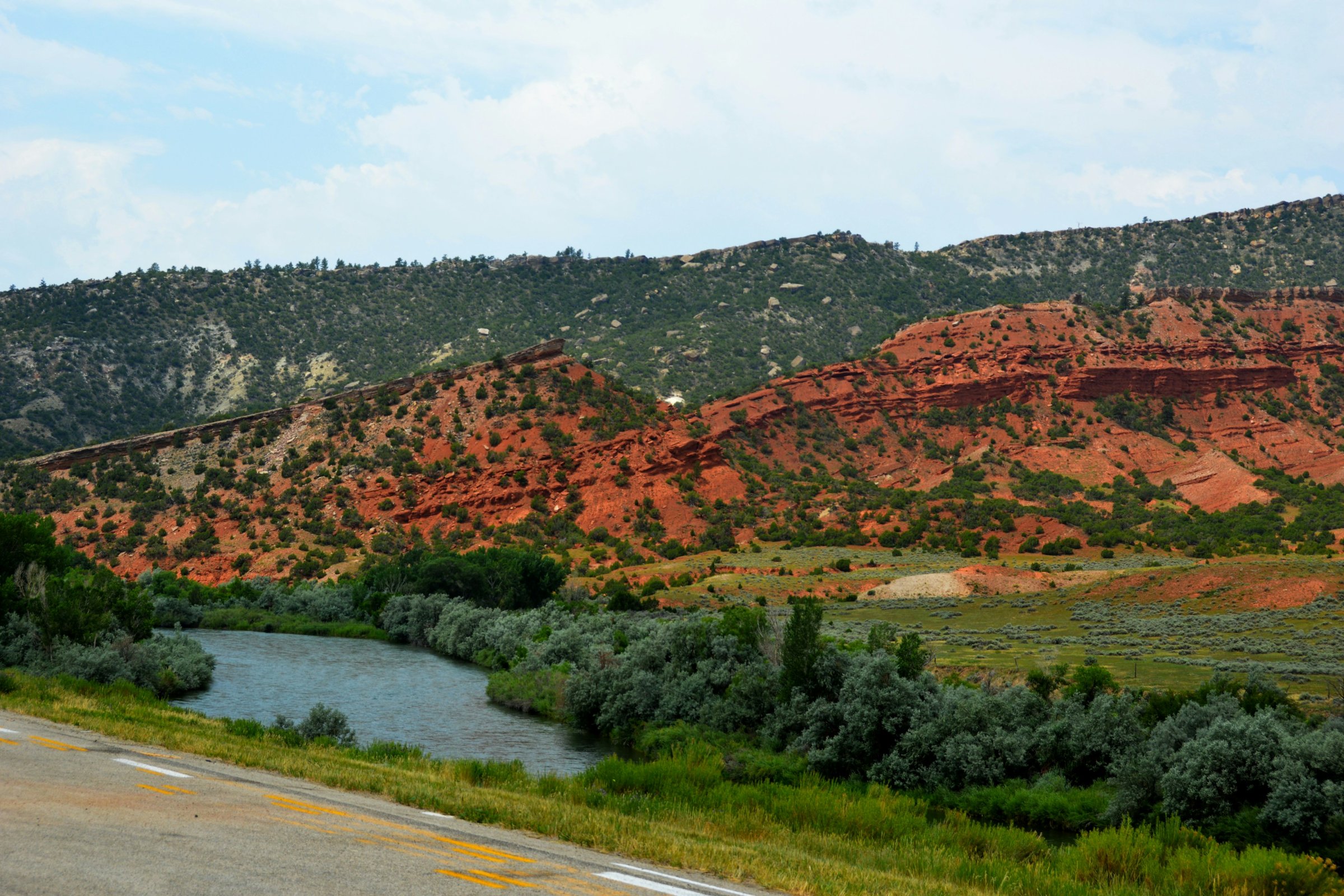
Casper is Wyoming's second-largest city, on the North Platte River in the center of the state, with an economy built on oil and gas, healthcare and education, and the best rent ratio in the article. It is the cash-flow market on this list, with prices well below Cheyenne's.
BiggerPockets points to energy, healthcare and education, with Wyoming Medical Center and Casper College among the major employers, and the city serves as the shopping and medical hub for much of central Wyoming. However, homes are taking longer to sell than a year ago, and the oil and gas economy typically brings ups and downs in rental demand. First Street data on Redfin rates the flood risk as “minor” (2% of properties). On the STR side, stays carry a 5% combined sales tax plus the 5% statewide lodging tax and any county lodging tax (BNBCalc), and investors should confirm zoning and licensing rules with the city before buying.
The Casper submarket posts an AirDNA score of 67/100, with Rental Demand (87) leading, Revenue Growth (73) and Investability (65) next, and Seasonality (62) and Regulation (55) the “soft spots.” Annual revenue per listing averages $26,015 (up 1.2% year-over-year), with an average daily rate of $133.22 (up 5.6%) and occupancy of 62% (down 3.4%). Total active listings sit at 278, up 4.1%, and larger homes carry the top end, such as a seven-bedroom home that sleeps 16 ($90K a year at 87% occupancy).
Financing note: Harpoon Capital offers industry leading DSCR Loans for properties in Casper and all throughout the market area. Check out our full DSCR Loans Program here, or if you want a quote on what terms look like today, fill out this two-minute form!
Sources: Redfin Housing Market↗ · BiggerPockets Market Finder↗ · BNBCalc Wyoming STR Guide↗ · AirDNA Market Data↗
Investor Takeaway: Casper offers the best rent ratio and affordability in Wyoming, with an energy and healthcare job base and steady STR demand. Investors should generally buy for the long-term rent, keep a reserve for the swings that come with the energy economy, and treat nightly stays as a secondary strategy.
Powder River prices and a pocket of competition
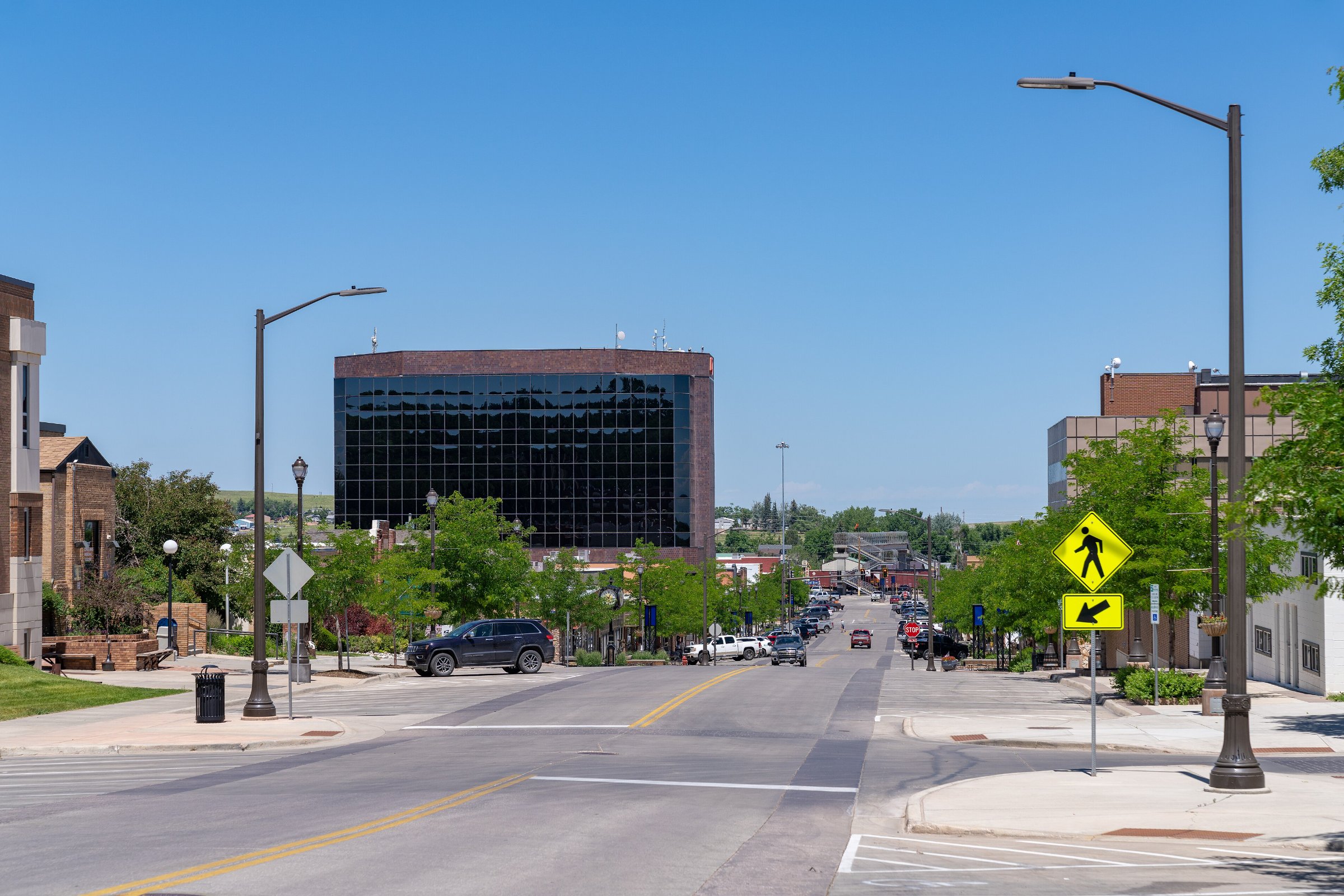
Photo: Tony Webster, CC BY 2.0 (cropped)
Gillette is the hub of the Powder River Basin in northeast Wyoming, the heart of the nation's coal production, with a workforce that rents and the lowest prices on this list. It is also the most competitive sales market in the article, with homes selling in under two weeks.
The case for Gillette rests on energy, with coal mining, oil and gas and the related service and trucking work keeping rental demand steady, and on rents that are up 5.9% over the year while prices have slipped. However, the town's fortunes typically rise and fall with coal and energy prices, so investors should generally underwrite conservatively. First Street data on Redfin rates the flood risk as “minor” (2% of properties). On the STR side, stays carry a 5% combined sales tax and the 5% statewide lodging tax, with no county lodging tax since Campbell County voters ended theirs in November 2024 (BNBCalc), and investors should confirm zoning and licensing rules with the city before buying.
The Gillette submarket posts an AirDNA score of 47/100, the lowest in the article, with Seasonality (86) leading, Investability (57) next, and Revenue Growth (55), Rental Demand (53) and Regulation (51) the “soft spots.” Annual revenue per listing averages $24,785 (down 4.8% year-over-year), with an average daily rate of $132.33 (down 5.7%) and occupancy of 61% (down 0.5%). Total active listings sit at only 70, but up 29.6%, and historic homes carry the top end, such as a 1930s Craftsman ($44K a year at 54% occupancy).
Financing note: Harpoon Capital offers industry leading DSCR Loans for properties in Gillette and all throughout the market area. Check out our full DSCR Loans Program here, or if you want a quote on what terms look like today, fill out this two-minute form!
Sources: Zillow Home Value Index↗ · Redfin Housing Market↗ · BNBCalc Wyoming STR Guide↗ · AirDNA Market Data↗
Investor Takeaway: Gillette offers the lowest prices and the most competitive sales market in Wyoming, with rents rising on an energy job base. Investors should generally buy for the long-term rent, move quickly on well-priced listings, and treat the small, shrinking-revenue STR market with caution.
Thinking About One of These Markets?
Get a same-day DSCR Loan quote for a specific deal, or browse the full Harpoon Capital DSCR Loan Program to see rates, LTV, and qualification details before you keep reading.
Cowboy campus rentals and Snowy Range cabins
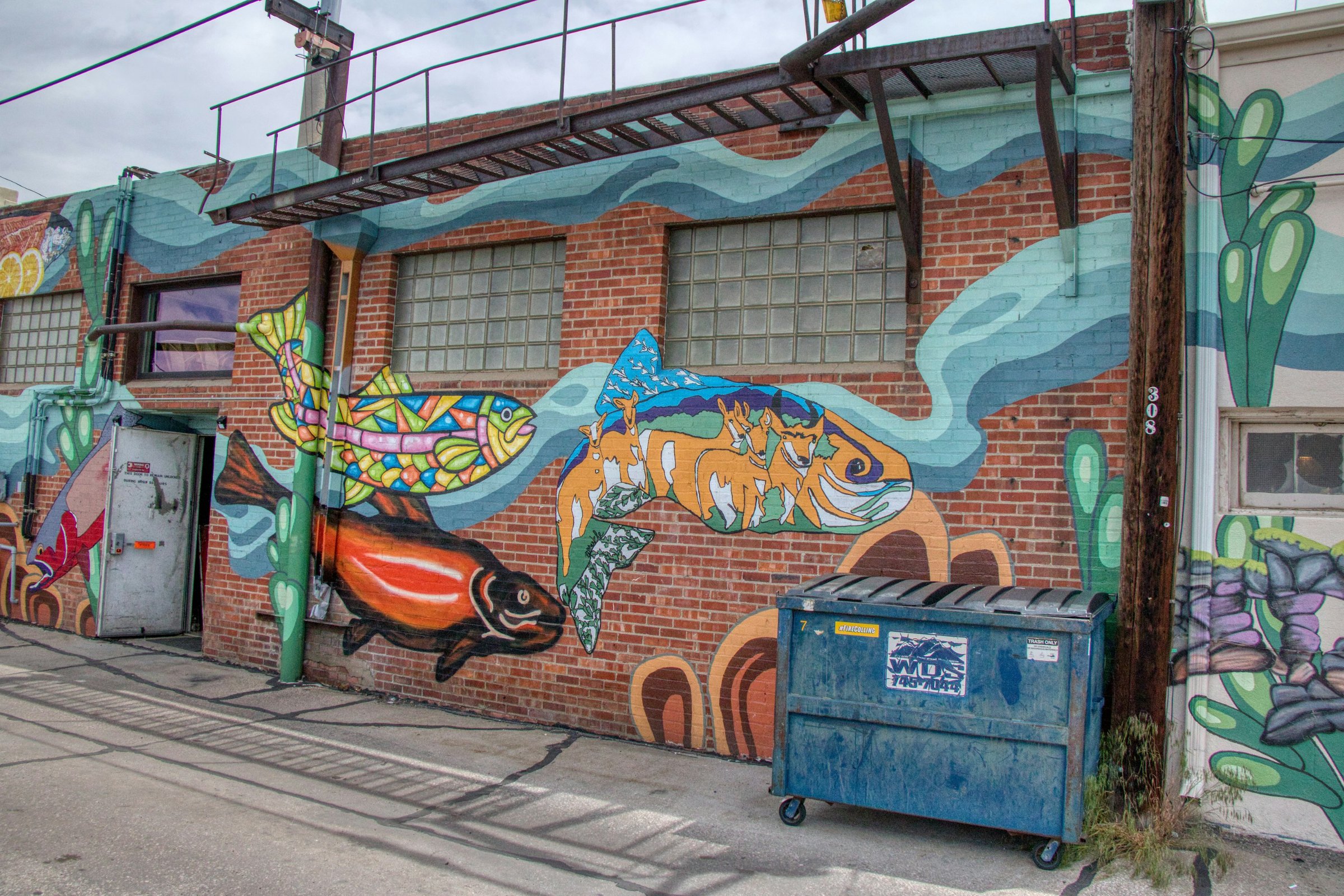
Laramie is home to the University of Wyoming, about 50 miles west of Cheyenne over the Medicine Bow Mountains, with a student and faculty tenant base and an STR market that reaches up into the Snowy Range. It has the fastest-selling homes on this list – and the steadiest long-term tenant pool outside the capital.
The case for Laramie rests on the University of Wyoming, which keeps the rental pool full through the school year, and on the Snowy Range and Medicine Bow National Forest, which draw skiers, hikers and Cowboys football fans. However, rents have risen only 1.3% over the past year, and student housing tends to turn over every summer. First Street data on Redfin rates the flood risk as “minor” (3% of properties). On the STR side, stays carry a 5% combined sales tax plus the 5% statewide lodging tax and any county lodging tax (BNBCalc), and investors should confirm zoning and licensing rules with the city before buying.
The Laramie submarket posts an AirDNA score of 69/100, with Rental Demand (84) and Seasonality (73) leading, Regulation (66) next, and Revenue Growth (61) and Investability (60) the “soft spots.” Annual revenue per listing averages $27,482 (down 2.0% year-over-year), with an average daily rate of $161.05 (up 6.6%) and occupancy of 52% (down 8.5%). Total active listings sit at 315, up 10.1%, and mountain cabins carry the top end, such as a six-bedroom cabin that sleeps 20 ($109K a year) and a Snowy Range lodge ($92K at 66% occupancy).
Financing note: Harpoon Capital offers industry leading DSCR Loans for properties in Laramie and all throughout the market area. Check out our full DSCR Loans Program here, or if you want a quote on what terms look like today, fill out this two-minute form!
Sources: Zillow Home Value Index↗ · Redfin Housing Market↗ · BNBCalc Wyoming STR Guide↗ · AirDNA Market Data↗
Investor Takeaway: Laramie offers a steady university tenant base and the fastest-selling homes in Wyoming, with mountain cabins at the top of the STR market. Investors should generally buy near campus for the long-term rent, expect to move quickly on good listings, and look to the Snowy Range rather than town for nightly stays.
Teton-town luxury under a tight rulebook
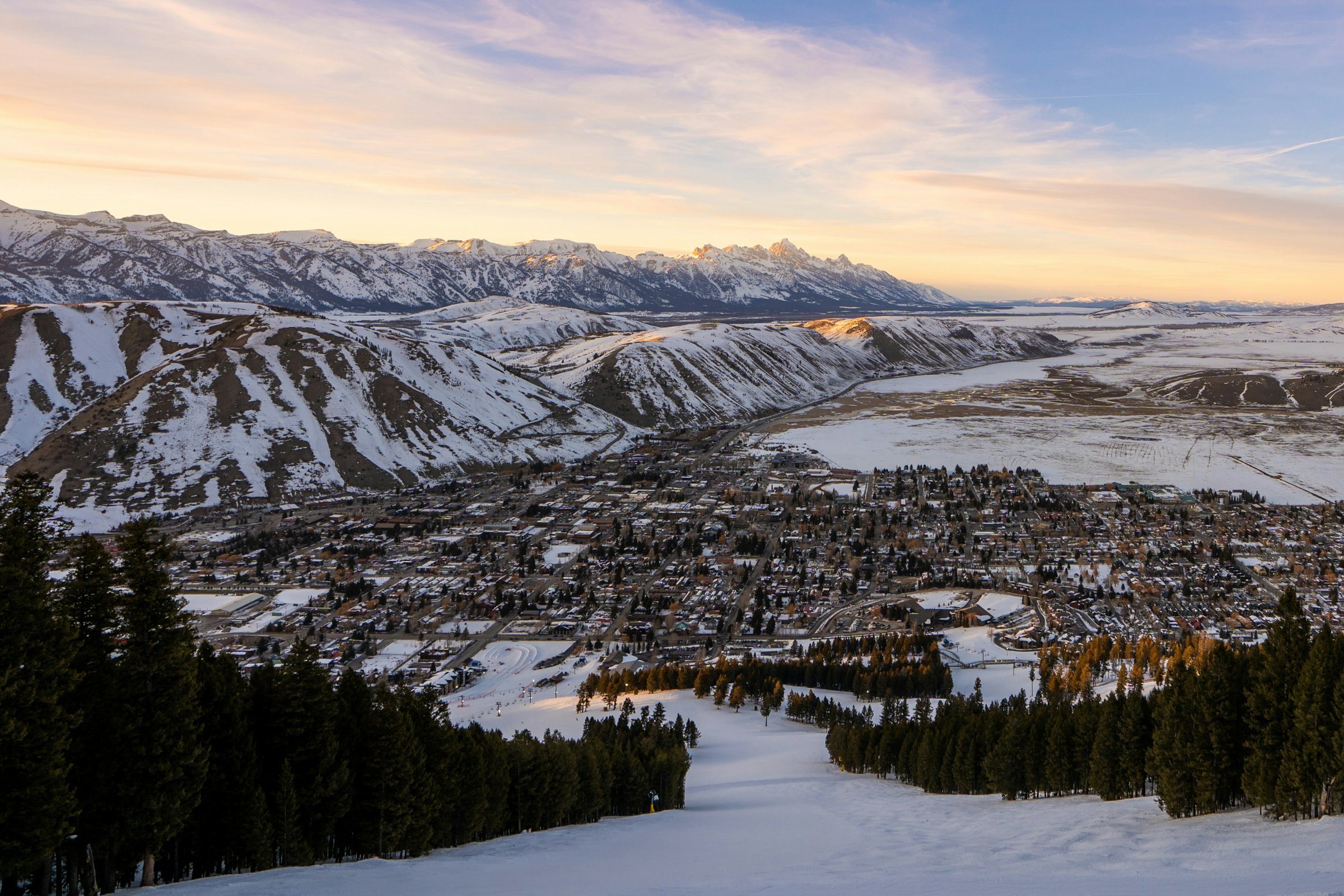
Jackson Hole is Wyoming's resort valley, home to Jackson Hole Mountain Resort and the southern gateway to Grand Teton and Yellowstone National Parks, with the highest prices and the highest STR revenue on this list. It is the luxury market in the article, where the rules decide what an investor can do far more than the data does.
The case for Jackson Hole rests on two strong seasons, ski season at the resort and summer in the national parks, and on a wealthy buyer and visitor base that keeps nightly rates high. However, First Street data on Redfin rates the flood risk as “moderate” (3% of properties). On the STR side, the Town of Jackson requires a business license and a Basic Use Permit for every STR (stays under 30 days), and outside the Lodging Overlay and Planned Resort zones it allows STRs only in certain residential zones, limited to 3 stays and 60 nights a year, with annual renewal and notice to neighbors within 200 feet. Additionally, unincorporated Teton County bars rentals of fewer than 31 days except in specific approved developments, with fines of up to $750 per offense (each day counted separately), and stays in Jackson carry a 7% combined sales tax plus the 5% statewide lodging tax.
The Jackson Hole market posts an AirDNA score of 58/100, with Rental Demand (85) leading, Investability (73), Revenue Growth (65) and Regulation (65) next, and Seasonality (45) the “soft spot.” Annual revenue per listing averages about $101,000 (up 4.3% year-over-year), the highest in the article, with an average daily rate of $583.53 (up 4.6%), also the highest, and occupancy of 64% (up 1.4%). Total active listings sit at 2,052, up 3.5%, the deepest STR market in the article. Note that this market crosses into Teton Valley, Idaho, where Driggs (score 84, $52K a year at 62% occupancy) is the top submarket, so the figures describe the region rather than Jackson alone.
Financing note: Harpoon Capital offers industry leading DSCR Loans for properties in Jackson Hole and all throughout the market area. Check out our full DSCR Loans Program here, or if you want a quote on what terms look like today, fill out this two-minute form!
Sources: Zillow Home Value Index↗ · Redfin Housing Market↗ · Town of Jackson STR Rules↗ · Teton County STR Violations↗ · AirDNA Market Data↗
Investor Takeaway: Jackson Hole offers the highest STR revenue and nightly rates in Wyoming, but at the highest prices and under the tightest rules in the state. Investors should generally buy only inside the Lodging Overlay or a resort zone if nightly stays are the plan, and expect the DSCR to depend on a large down payment.
Gateway gains on the road to Yellowstone

Cody sits about 50 miles east of Yellowstone National Park's east entrance, home to the Buffalo Bill Center of the West and a nightly summer rodeo, with an STR market built on park traffic. It is the classic Wyoming vacation market, at a fraction of Jackson's prices!
The case for Cody rests on Yellowstone, with millions of park visitors each year and the east entrance road running right through town, and on the rodeo, the museums and fishing on the Shoshone River. However, the park's east entrance typically closes for the winter, so most of the year's revenue arrives between late spring and early fall. First Street data on Redfin rates the flood risk as “minor” (under 1% of properties). On the STR side, Cody's city code (Section 10-11-2) requires every STR to register with the city before its first use and again by May 1 each year, show the city registration number in its listings and pass a life safety inspection before first use and every year (smoke detectors, carbon monoxide alarms, a fire extinguisher and emergency escape openings in sleeping rooms). Stays carry the 4% state sales tax (Park County has no local sales tax) plus 7% in lodging tax, i.e. the state's 5% and Park County's 2% (BNBCalc).
The Cody submarket posts an AirDNA score of 50/100, with Rental Demand (76) leading, Revenue Growth (66), Regulation (62) and Investability (60) next, and Seasonality (46) the “soft spot,” i.e. a summer-heavy market. Annual revenue per listing averages $33,499 (up 1.9% year-over-year), with an average daily rate of $238.10 (up 3.4%) and occupancy of 58% (down 4.5%). Total active listings sit at 486, up 3.6%, and large lodges carry the top end, such as an eight-bedroom moose-themed retreat ($114K a year).
Financing note: Cody deals often qualify on TTM actuals or STR revenue projections given the seasonal revenue base, and Harpoon Capital offers industry leading DSCR Loans for properties throughout the market area. Check out our full DSCR Loans Program here, or if you want a quote on what terms look like today, fill out this two-minute form!
Sources: Zillow Home Value Index↗ · Redfin Housing Market↗ · BNBCalc Wyoming STR Guide↗ · AirDNA Market Data↗
Investor Takeaway: Cody offers Yellowstone gateway demand and nightly rates near $240, at prices far below Jackson Hole's. Investors should generally underwrite on trailing twelve-month actuals that reflect the long winter, register and inspect the rental with the city each year, and favor larger homes and lodges that suit families and groups.
| MARKET | AIRDNA SCORE |
ANNUAL REVENUE |
AVG. DAILY RATE |
OCCUPANCY | YOY LISTING GROWTH |
|---|---|---|---|---|---|
| Cheyenne | 90 | $26,305 (+8.0%) |
$119.06 (+9.4%) |
72% (+2.0%) | +9.8% (513 listings) |
| Laramie | 69 | $27,482 (-2.0%) |
$161.05 (+6.6%) |
52% (-8.5%) | +10.1% (315 listings) |
| Casper | 67 | $26,015 (+1.2%) |
$133.22 (+5.6%) |
62% (-3.4%) | +4.1% (278 listings) |
| Jackson Hole | 58 | $101K (+4.3%) |
$583.53 (+4.6%) |
64% (+1.4%) | +3.5% (2,052 listings) |
| Cody | 50 | $33,499 (+1.9%) |
$238.10 (+3.4%) |
58% (-4.5%) | +3.6% (486 listings) |
| Gillette | 47 | $24,785 (-4.8%) |
$132.33 (-5.7%) |
61% (-0.5%) | +29.6% (70 listings) |
Source: AirDNA, current as of 2026. Scores and figures reflect each market or submarket as defined by AirDNA and may not correspond 1:1 with city or county boundaries. As of October 2026
A few patterns stand out. The four larger towns, Cheyenne, Casper, Gillette and Laramie, earn between about $25,000 and $27,500 a year per listing on nightly rates under $165, and Cheyenne leads them on occupancy rather than price. The two tourism markets earn more, with Jackson Hole near $101,000 and Cody at $33,499, but their Seasonality scores sit in the 40s, i.e. most of the year's income lands in a few months. Additionally, nightly rates rose in five of the six markets, led by Cheyenne (9.4%), with Gillette the only decline.
Wyoming's real estate landscape offers a strategy for nearly every type of investor:
Market-level data is a starting point, not a substitute for underwriting the specific property, neighborhood and rental strategy in front of you. Wyoming leaves STR rules to its cities and counties, which range from Cody's registration and inspection to Jackson Hole's zone limits, so investors should confirm what is allowed at a specific address before they close, and budget for the energy-economy swings in Casper and Gillette.
If you are ready to invest in one of these markets, start with our Wyoming DSCR loans page.
Sources: Redfin housing market data, BiggerPockets Market Finder, Zillow Home Value Index, AirDNA market and submarket data (airdna.co), BNBCalc Wyoming STR guide, Town of Jackson and Teton County. Data collected as of October 2026, ahead of the 2027 investing season.
There is no statewide STR license, although new hosts may need a $60 sales tax vendor license from the Department of Revenue, and stays carry the 4% state sales tax, the 5% statewide lodging tax and any local sales and lodging taxes, which Airbnb collects for hosts. Local rules vary, e.g. Cody requires an annual registration and life safety inspection, and the Town of Jackson requires a business license and a Basic Use Permit, with tight limits outside its Lodging Overlay.
No. Out-of-state and first-time investors can buy investment property in Wyoming without any license. A DSCR loan qualifies you primarily based on the property itself rather than your personal income or professional credentials, which is part of why it's such a common financing tool for out-of-state buyers.
A DSCR (Debt Service Coverage Ratio) loan qualifies a property primarily based on the property (its rent, value and location) relative to its mortgage payment, rather than the borrower's personal income or tax returns. If the property's projected or actual rent covers the mortgage payment (a DSCR of 1.00x or higher), it's generally easier to qualify, and Harpoon Capital also offers options for deals below 1.00x.
Generally only in certain areas. Inside the Town of Jackson's Lodging Overlay and Planned Resort zones, STRs need a business license and a Basic Use Permit, while in eligible residential zones they are limited to 3 stays and 60 nights a year, and unincorporated Teton County bars rentals of fewer than 31 days except in specific approved developments. Investors should typically confirm a property's zoning with the town or county before making an offer.
Harpoon Capital's DSCR loan program allows as little as 15% down on qualifying purchases, up to 85% LTV, with cash-out refinances available up to 80% LTV. Exact terms depend on the property, credit profile, and DSCR ratio. Fill out our DSCR Loan Application to see specific numbers for your deal.
Ready to Run the Numbers on a Wyoming Deal?
Whether you're eyeing Casper's rent ratio or a summer rental near Yellowstone in Cody, get a same-day rate and terms with our two-minute DSCR quote form, or explore the full Wyoming DSCR Loans Program to see how we qualify the property, not just the borrower.
This article is for informational purposes only and does not constitute investment, legal, or financial advice. Harpoon Capital encourages investors to conduct independent due diligence before making any real estate investment decision.